Churn rate analysis from UCI repository datasets provides valuable insights into customer retention strategies. This guide investigates the significance of churn data, primarily sourced from archive.ics.uci.edu/m, and explores its role in enhancing business decisions. Learn how churn metrics from H:ics.uci.edu provide critical inputs for developing effective tactics to mitigate client loss.
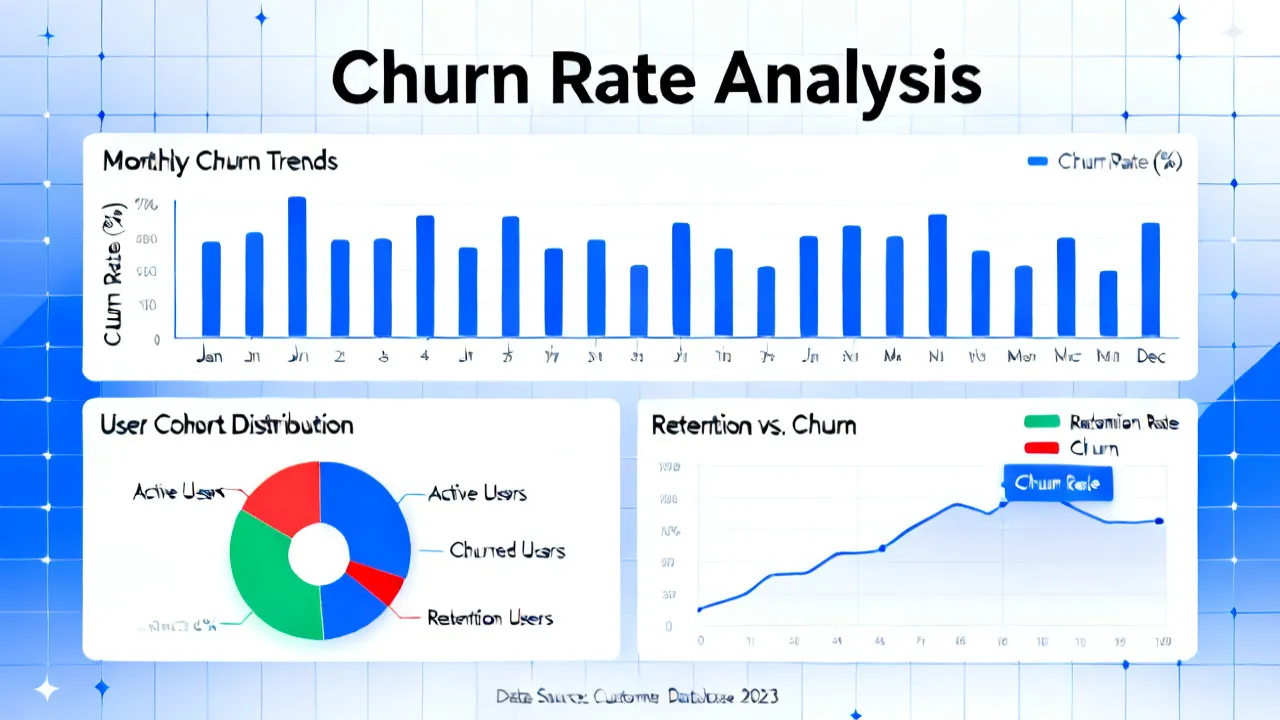
Churn analysis is pivotal in assessing customer retention, providing companies across industries with insights into client behaviors and preferences. This guide delves deep into churn rate data sourced from archive.ics.uci.edu/m, a significant repository known for its comprehensive dataset collection. Analyzing such data can inform critical business strategies aimed at reducing customer loss and improving service offerings. The significance of churn analysis in today’s competitive market cannot be understated, as it essentially serves as a compass guiding organizations toward greater understanding and engagement with their customer base.
The UCI Machine Learning Repository, located at H:ics.uci.edu, is renowned for its diverse datasets, making it a vital tool for researchers and industry experts. With its vast array of data, including our focus on churn statistics, UCI provides an invaluable resource for academic and practical applications. Researchers often utilize this repository to develop models that predict customer behaviors, analyze trends, and ultimately drive business growth. The UCI repository further positions itself as an essential asset in the machine learning domain, frequently utilized for benchmarking algorithms and validating research findings, which enhances the credibility of studies conducted using its datasets.
When analyzing churn data, several components must be considered, including customer demographics, transaction histories, service usage patterns, and feedback scores. Each element provides different insights: demographics highlight target customer segments, while transaction histories can reveal spending habits and how often customers utilize services. Service usage patterns shed light on product engagement, indicating which features are most valued. Customer feedback, often collected through surveys, can illuminate satisfaction levels and suggest areas for enhancement. Together, these components form a comprehensive view of consumer dynamics, essential in churn prediction models. By understanding these factors, organizations can identify at-risk customers, enabling them to take proactive measures to retain their clientele.
The churn rate itself, often expressed as a percentage, represents the proportion of contractual customers who leave a supplier during a given time period. This metric is critical for businesses to understand as it directly impacts revenue and profitability. A clear understanding of how to calculate this figure is vital:
Churn Rate Formula: The formula for calculating churn rate is:
Churn Rate = (Customers Lost During Period) / (Total Customers at the Start of Period) x 100
For example, if a company starts the month with 1,000 customers and loses 50, the churn rate for that month would be 5%. Tracking churn rates over time can serve as an important indicator of business health. It is also crucial to segment churn by customer demographics, product lines, or subscription types, as this granularity can reveal underlying trends that might be obscured in aggregate data.
Churn analysis remains crucial because it directly correlates with revenue fluctuations. High churn rates often signify underlying issues within a company's offerings or customer service, prompting immediate attention to improve retention strategies. The below table illustrates the importance of churn data analysis in different industry contexts:
| Industry | Relevance of Churn Analysis |
|---|---|
| Telecommunications | Cancellation and plan switching behaviors require monitoring to maintain customer base and revenue streams. |
| Subscription Services | High churn can indicate dissatisfaction or competitive service offerings; understanding this can help tailor user experience. |
| Banking | Account closures and product switches impact financial stability and growth; preventing churn is essential to long-term success. |
| Insurance | Insurance companies must manage policy cancellations effectively to ensure a steady flow of premium income. |
| E-commerce | Understanding customer paths can help reduce cart abandonment and increase repeat purchases by enhancing customer journeys. |
To effectively manage churn, companies should employ a range of strategies:
Beyond just monitoring churn rates, businesses can utilize advanced techniques for churn prediction, which involve more complex algorithms and machine learning models. These methods allow for deeper insights and proactive churn management strategies.
Predictive Analytics: By employing predictive analytics, companies analyze historical data and customer behaviors to forecast future churn likelihood. Machine learning algorithms, such as logistic regression or decision trees, are often employed to classify customers into ‘at risk’ and ‘not at risk’ categories. This classification allows businesses to focus their retention efforts on those customers who are most likely to leave.
Cohort Analysis: This approach enables companies to segment customers based on shared characteristics or behaviors and track their retention over time. Understanding how different cohorts behave can provide insights into effective strategies for improving retention among various customer segments.
Sentiment Analysis: Leveraging natural language processing to analyze customer feedback or reviews can help identify issues before they escalate into churn. By understanding customer sentiment, businesses can address potential problems and improve overall satisfaction.
Technology plays a vital role in enhancing churn analysis practices across organizations. Here are several technological advancements that aid in better understanding and mitigating churn:
Implementing strategies to reduce churn isn't just about employing the right tools; it also involves fostering a company-wide culture of customer centricity. Here are some best practices for successful implementation:
Q: What is the primary benefit of analyzing churn data?
A: Analyzing churn data allows businesses to develop strategies that minimize customer loss, maximize retention, and improve service delivery. It empowers organizations to be proactive rather than reactive in managing their customer relationships.
Q: Why is the UCI repository a preferred source for churn data?
A: The UCI repository, such as the platform at ics.uci.edu, offers a wide array of high-quality datasets, making it an ideal choice for reliable and comprehensive churn data analysis. The structure and curation of the repository also add credibility to the research conducted using its datasets.
Q: How can companies implement findings from churn analysis?
A: Companies can tailor their service offerings, enhance customer support, and engage in proactive customer relationship management based on insights drawn from churn data. Furthermore, regularly revising strategies and employing a test-and-learn approach can help refine these strategies over time.
In conclusion, churn analysis from UCI's rich dataset repository equips businesses with essential tools to refine strategies for improved customer retention and sustainable growth. Engaging with this data-driven approach ensures that companies remain competitive and responsive to market dynamics. As industries continue to evolve and consumer behaviors shift, the ability to anticipate churn and adapt accordingly will be crucial for businesses looking to maintain and grow their customer base effectively. In this context, a well-rounded approach that encompasses predictive analytics, customer engagement strategies, and cutting-edge technology can significantly enhance an organization’s ability to mitigate churn and drive long-term success.






Payment Processing Solutions are integral to modern commerce, facilitating seamless transactions between buyers and sellers. Deploying efficient systems allows businesses to handle payments securely and quickly across various platforms, providing a crucial backbone for ecommerce and traditional retail settings. This article delves into the nuances of payment processing, offering a thorough understanding for businesses looking to enhance their transaction capabilities.
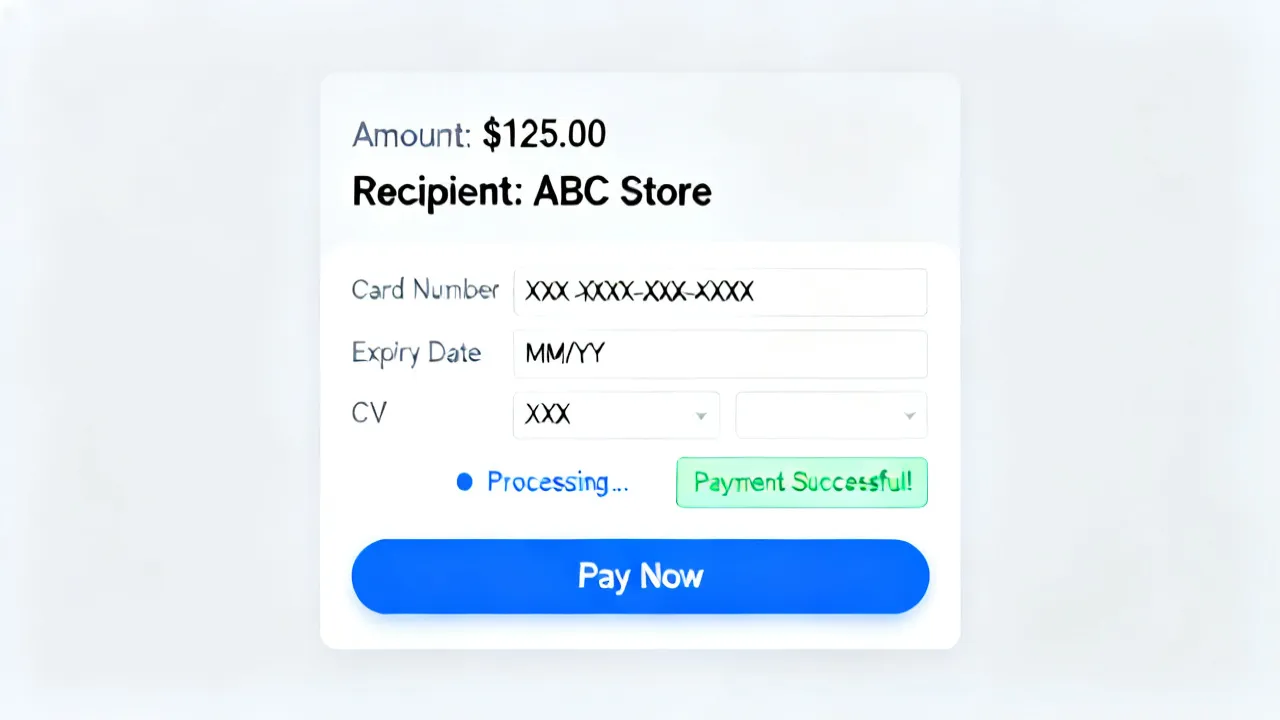
Payment processing solutions are essential systems enabling businesses to handle transactions electronically, facilitating seamless financial activity. With the growing shift towards online and contactless payments, understanding these solutions is vital for businesses to stay competitive and ensure customer satisfaction. This guide explores the intricacies of payment processing, dissecting its components and how businesses can leverage these systems to enhance efficiency and security.

This guide delves into the realm of Payment Processing Solutions, essential for businesses enduring the challenges of efficiently handling financial transactions. These solutions integrate secure, fast, and customer-friendly payment technologies that are crucial for modern commerce, whether in-store or online. By implementing tailored strategies, businesses can optimize operations, reduce costs, and enhance customer satisfaction through seamless payment experiences.

Payment processing solutions are integral to modern commerce, facilitating secure and efficient transactions for businesses worldwide. These systems handle the authorization, transaction, and fund transfer processes, ensuring a seamless experience for both merchants and consumers. From credit cards to digital wallets, they are the backbone of financial transactions, evolving rapidly with technology advances.

This article delves into the vital role of payment processing solutions in today’s business landscape, highlighting their importance in facilitating transactions between companies and customers. With advancements in technology, such solutions have evolved to ensure increased security, speed, and efficiency for businesses across various sectors.
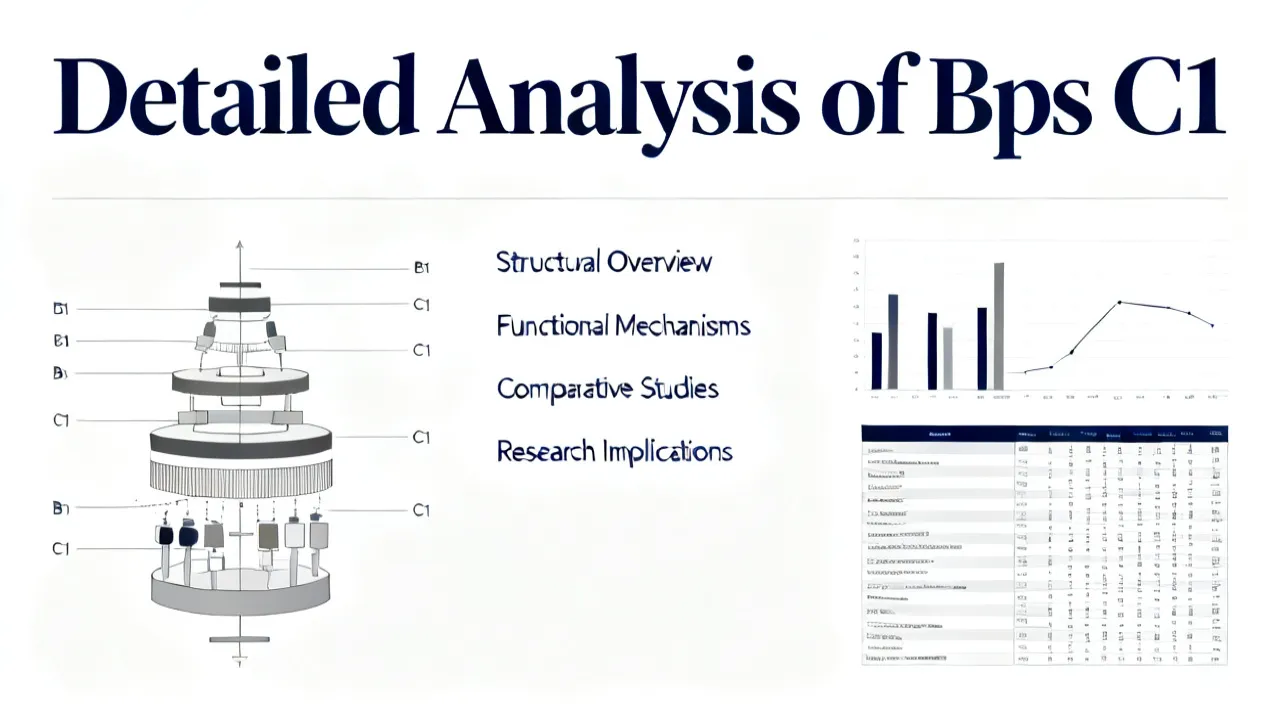
This article delves into the multifaceted applications of Bps C1, exploring its significance in various industries. Bps C1 refers to a class of products or technologies utilized in several sectors, and its prominent role in streamlining processes and enhancing operational efficiency is crucial for organizations aiming for competitive advantage.

This article delves deep into the pivotal role of Bps C1 in modern data systems, providing insights into how Bps C1 functions as a unit of measurement critical for assessing data transfer rates. Bps C1 stands as a measure of bits per second within communication networks, ensuring precise data flow evaluation. In a landscape where data transfer is foundational, the comprehension of Bps C1 is indispensable for industry professionals.

This article delves into payment processing solutions—integral components of contemporary commerce. These solutions facilitate the electronic exchange of funds, streamlining transactions between buyers and sellers. With a multitude of options available, including credit card processing, digital wallets, and mobile payments, the industry has evolved into a complex landscape, necessitating careful selection based on business needs and technological trends.