This guide explores the integration of AvidXchange with QuickBooks to streamline payment processes for businesses. AvidXchange is a leading provider of accounts payable (AP) automation software, while QuickBooks is a popular accounting solution for small to medium-sized businesses. Together, they offer a seamless experience that facilitates efficient financial management.

The integration of AvidXchange with QuickBooks provides businesses a robust solution for managing their accounting and payment processes efficiently. As financial operations become increasingly complex, leveraging automation tools becomes crucial for maintaining accuracy and improving workflow efficiency. AvidXchange offers advanced accounts payable (AP) automation, while QuickBooks provides a comprehensive accounting platform tailored for small to medium-sized enterprises. This enables organizations to not only streamline their financial processes but also generate more insightful financial data that can guide strategic decision-making.
Integrating AvidXchange with QuickBooks offers numerous benefits that can significantly enhance a company's financial management capabilities. The integration allows users to automate the entire AP process, reducing manual data entry, minimizing errors, and ensuring timely payments. Additionally, this seamless connection empowers businesses to streamline their operations and focus more on strategic initiatives rather than tedious administrative tasks. By automating routine functions, companies can allocate their human resources to more productive activities, ultimately leading to improved financial health and scalability.
Implementing the integration between AvidXchange and QuickBooks is a straightforward process that requires careful planning and execution. Here is a step-by-step guide to help businesses successfully set up this integration:
| Feature | AvidXchange | QuickBooks |
|---|---|---|
| Invoice Automation | Comprehensive AP automation to digitize invoice processing, ensuring accuracy and saving time. | Basic invoicing capabilities with manual entry options, which can be time-consuming and error-prone. |
| Payment Management | Facilitates electronic payments to suppliers, reducing reliance on paper checks and increasing payment speed. | Supports various payment methods but requires manual handling, potentially delaying payments. |
| Data Analytics | Advanced reporting tools for AP insights, helping organizations track spending trends and optimize costs. | Provides essential financial reports and analytics, but may not be as detailed regarding AP processes. |
| Vendor Management | Centralizes vendor information, facilitating better relationships and communication. | Offers vendor management capabilities, though often requires manual updates. |
| Scalability | Designed to grow with the business, easily accommodating increased transaction volumes. | Suitable for small to medium businesses but might face limitations as companies expand. |
To make the most out of integrating AvidXchange with QuickBooks, companies should focus on continuous improvement and adaptation. Regular assessments of financial processes, coupled with open communication with software providers, are vital for adapting to any changes or updates in software. Leveraging feedback from users can also play a critical role in driving enhancements and smoothing any integration challenges. Additionally, exploring the advanced features offered by both platforms can uncover hidden benefits that may further streamline operations. For instance, integrating expense management systems or exploring vendor financing options through AvidXchange can provide added layers of efficiency and benefits.
While the integration of AvidXchange and QuickBooks offers substantial benefits, it can also present certain challenges. Recognizing and addressing these can ensure a smooth integration process:
Numerous businesses across various industries have successfully integrated AvidXchange with QuickBooks, leading to transformative improvements in their financial management processes. Below are a couple of illustrative examples:
A mid-sized manufacturing firm was struggling with managing a high volume of invoices and supplier payments. The introduction of AvidXchange’s automated invoice processing alongside QuickBooks led to a reduction in invoice cycle times by over 50%. The finance team found themselves spending less time on manual data entry and mismatches, which allowed them to redirect their attention to strategic tasks like budget forecasting and supplier relationship management. The firm also reported a significant decline in processing errors, which led to stronger supplier relationships due to timely payments.
A service provider in the IT sector faced challenges in keeping track of vendor payments, leading to cash flow issues. By implementing AvidXchange, they were able to automate payment processes directly within their QuickBooks environment. This not only streamlined their accounting practices but also provided them with improved visibility into their cash flow. The integrated reporting tools empowered them to make strategic decisions based on accurate financial data, enhancing overall operational efficiency.
In conclusion, the integration of AvidXchange with QuickBooks offers a strategic advantage for businesses seeking to enhance their financial operations through automation and improved data management. By carefully navigating the integration process and adapting to new approaches, organizations can streamline their payment processes, reduce errors, and focus on strategic growth. The collaborative power of these two platforms can lead to significant time savings, heightened accuracy in financial reporting, and ultimately, an organization's ability to make informed decisions that drive long-term success. Emphasizing continuous improvement and feedback loops ensures that the integration remains beneficial as business needs evolve over time. As financial ecosystems continue to grow, companies leveraging modern technology for their accounting and payment processes will be better positioned to thrive in an increasingly competitive landscape.






This guide explains how to research Finxact LinkedIn information and assess what the company’s professional presence reveals about its banking technology business. Finxact is associated with cloud-native core banking infrastructure and operates within the broader Fiserv ecosystem following Fiserv’s acquisition. LinkedIn can provide useful signals about company announcements, leadership, hiring, partnerships, and industry positioning, but users should verify important claims through official corporate communications, regulatory materials, and reputable financial technology sources.
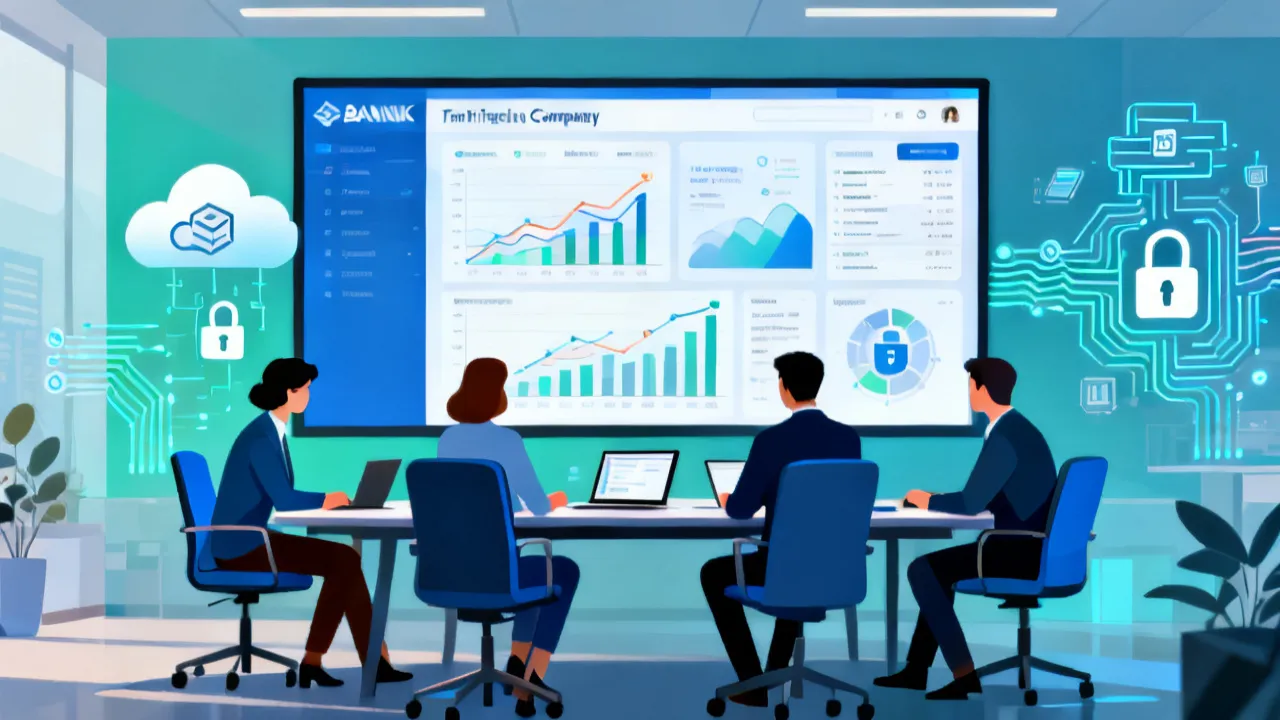
This guide explains how to use Finxact LinkedIn resources to research the company, its cloud-native core banking platform, leadership communications, career activity, partnerships, and industry positioning. Finxact is a banking technology company associated with modern, API-oriented core systems and is part of Salesforce. LinkedIn can provide useful public signals, but readers should verify material claims through official company sources, regulatory publications, and reputable industry research.

This guide explains how to use Finxact LinkedIn information to research the company, understand its banking technology positioning, assess career and partnership signals, and verify claims through authoritative sources. Finxact is associated with cloud-native core banking technology and operates within the broader Fiserv ecosystem. LinkedIn can provide useful public context, but company pages, employee posts, job listings, and engagement metrics should be interpreted alongside official corporate material, regulatory information, and independent industry research.

This guide explains how to evaluate Finxact on LinkedIn, interpret its company profile, understand its relationship with Fiserv, and use professional updates for research, recruitment, and banking-technology analysis. Finxact is associated with cloud-native core banking infrastructure and financial-services modernization. Because social profiles change, readers should verify current roles, announcements, and employment information through official company channels and authoritative corporate sources.

This guide explains how to evaluate Finxact’s LinkedIn presence as a source of information about cloud-native core banking, company developments, careers, and industry perspectives. Finxact is associated with modern banking infrastructure and is part of the broader FIS technology ecosystem. Because social media profiles, employee listings, and published announcements can change, readers should distinguish verified company information from commentary and assess each post in its proper business and regulatory context.

This guide explains how Finxact LinkedIn can help readers evaluate company updates, professional expertise, careers, partnerships, and cloud-core-banking developments. Finxact is a cloud-native core banking technology provider associated with Fiserv, serving financial institutions that need configurable platforms for deposits, accounts, payments, and product innovation. Because social profiles change, important claims should be checked against official corporate communications, regulatory filings, and direct company materials.

This guide explains how to use Finxact LinkedIn information as a starting point for researching the banking technology company, its platform, leadership, hiring activity, partnerships, and market positioning. Finxact is associated with cloud-native core banking technology and operates within the broader FIS ecosystem. Because social profiles change over time, readers should compare LinkedIn observations with official company announcements, regulatory materials, product documentation, and reputable industry research.
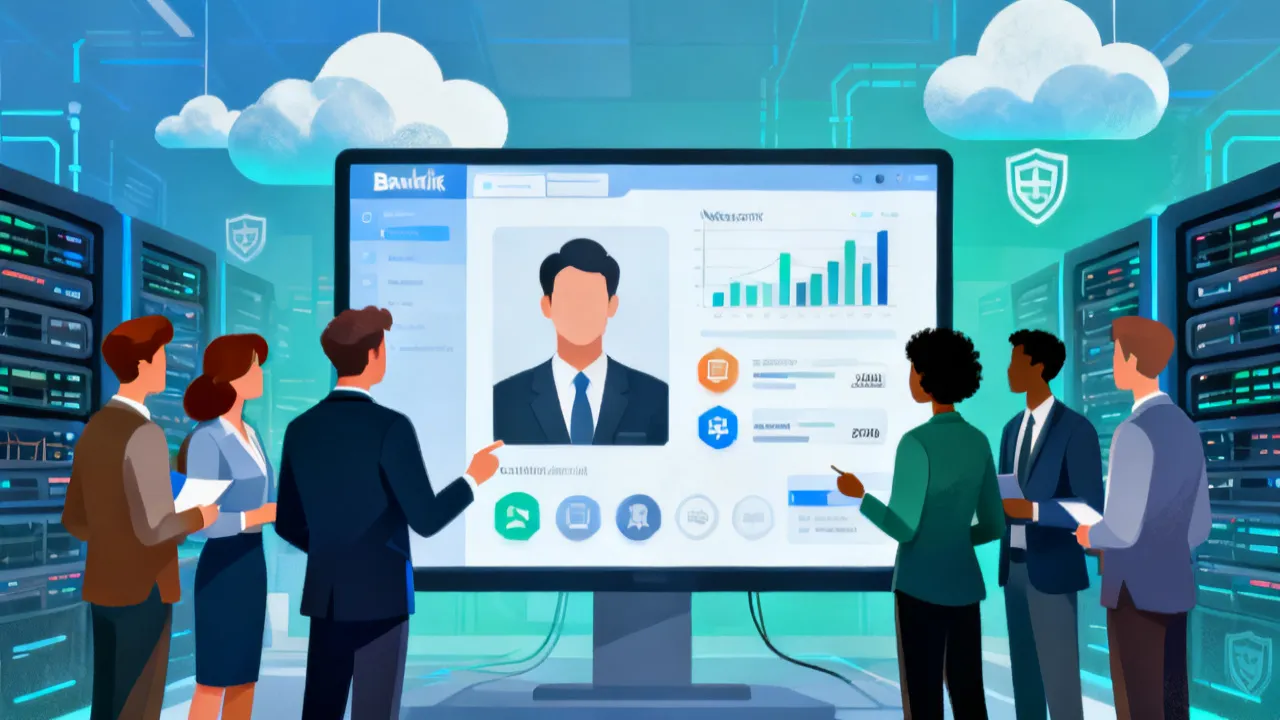
This guide explains how to use Finxact LinkedIn information to research the company, understand its banking technology focus, assess professional updates, and evaluate career or partnership relevance. Finxact is associated with modern core banking infrastructure and is part of the broader Fiserv ecosystem. Because LinkedIn pages, job postings, and organizational descriptions can change, readers should compare social content with official corporate materials, regulatory disclosures, and other reliable industry sources before making decisions.