Payable APIs are essential tools that enable seamless financial transactions over digital platforms. They offer a structured approach to integrating payment processing capabilities within software applications, allowing for secure and efficient monetization strategies for businesses. Leveraging APIs can enhance financial operations by ensuring accuracy and speed in transaction handling.
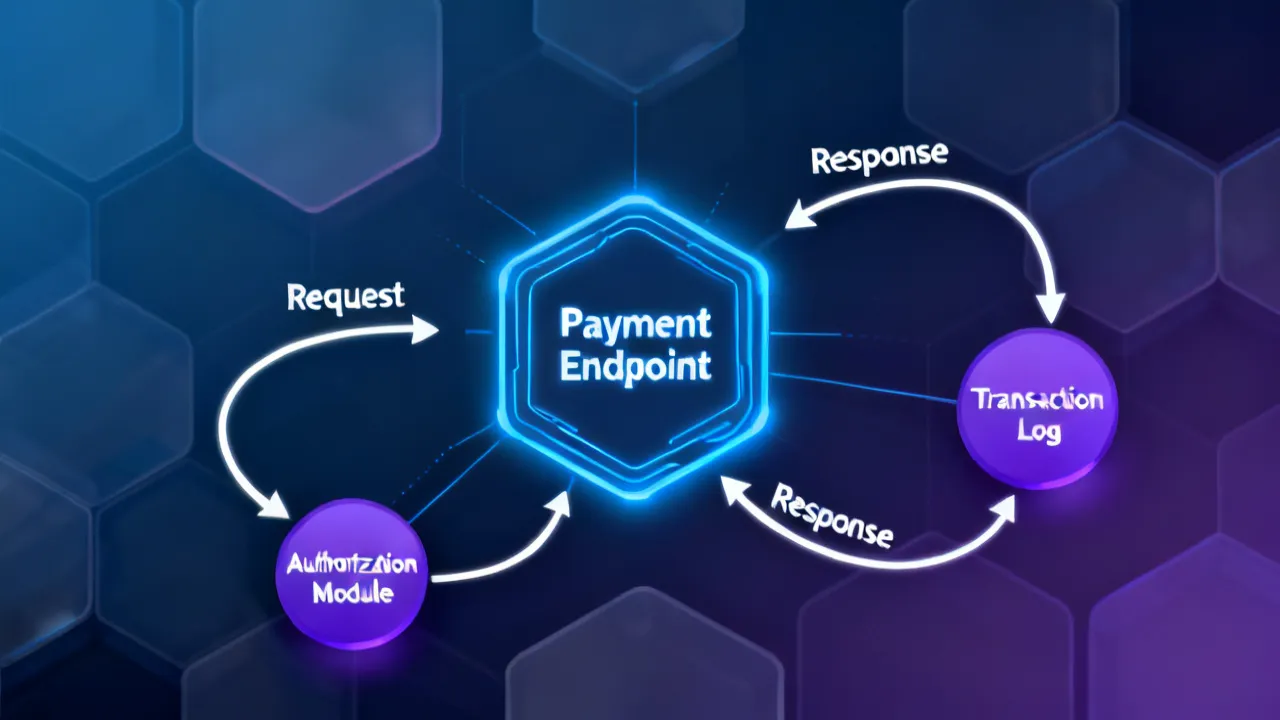
In the evolving landscape of digital finance, Payable APIs represent a critical instrument for businesses aiming to streamline their financial operations. Understanding how these APIs work, and leveraging their capabilities, can offer substantial advantages in processing payments effectively and securely. As the global economy increasingly shifts towards digital transactions, organizations that fail to adapt to this paradigm may find themselves at a disadvantage facing inefficiencies and higher operational costs.
A Payable API, or Application Programming Interface, is a set of protocols and tools designed to facilitate the interaction between financial services and other software applications. These APIs allow businesses to automate payment processes, reducing the need for manual intervention and minimizing errors associated with traditional payment methods. Essentially, they serve as intermediaries, translating the requests from end-user applications into actionable commands that financial systems can understand and process.
To delve deeper, a typical Payable API may encompass various features such as recurring payment schedules, invoice management, and transaction history. These features enable businesses to maintain tighter control over their financial operations, ensuring that payments are processed accurately and on time, which can significantly enhance cash flow management.
Payable APIs are becoming increasingly indispensable in today's economy, where transactions are predominantly digital. They provide a seamless, secure, and efficient method for businesses to manage their financial transactions, offering a versatile platform that can adapt to various formats and currencies worldwide. For organizations that prioritize quick access to their funds, real-time processing capabilities of Payable APIs can turn transactions from days into mere minutes.
Moreover, as businesses face growing pressures to provide enhanced customer experiences, Payable APIs allow for the customization of payment solutions that can meet the specific needs of different customer segments. This adaptability is not only beneficial for addressing diverse client expectations but also for fostering relationships that can lead to customer loyalty over time.
Implementing a Payable API can transform how businesses conduct financial transactions. Here are some of the key benefits:
Across sectors, Payable APIs contribute significantly to organizational efficiency. For instance, e-commerce businesses leverage APIs for seamless payments, while financial institutions integrate them to provide innovative banking solutions. Notably, industries such as healthcare utilize Payable APIs to manage patient billing and insurance claim payments with improved accuracy and timeliness. The adaptability of Payable APIs to various industries underscores their critical role in modern transactions.
In the travel industry, Payable APIs are essential for managing complex transactions that involve deposits, cancellations, and refunds across different currencies and payment methods. Similarly, in the subscription services sector, Payable APIs facilitate recurring billing, managing changes in subscription tiers, and automating invoices, which ensures consistent revenue streams for businesses.
Choosing the suitable Payable API requires consideration of several factors:
| API Feature | Description |
|---|---|
| Authentication | Verifies the identity of users accessing the API. Ensuring that only authorized users can perform transactions is crucial for maintaining security. |
| Data Encryption | Ensures all transaction data is secured and private. This is vital for protecting sensitive information and maintaining consumer trust. |
| Real-time Processing | Handles transactions as they are made, without delays. Fast processing can significantly enhance the customer experience and aid in cash flow management. |
| Multicurrency Support | Facilitates transactions across different currency types. This feature is increasingly important for businesses operating on a global scale, allowing them to cater to international customers effectively. |
Implementing Payable APIs may present challenges such as integration difficulties and ensuring compliance with regulatory standards. A lack of familiarity with API functionalities can also lead to misconfigurations and security vulnerabilities. However, partnering with experienced API providers and robust technical support services can mitigate these issues effectively. One common approach is to conduct thorough testing during the implementation phase to identify potential issues early. Collaborating with developers who have experience in common integrations can also make the transition smoother.
Another challenge is the potential for changing regulations surrounding financial transactions. Keeping abreast of legal requirements in different jurisdictions is crucial, especially for businesses that operate internationally. Utilizing an API provider that proactively monitors and updates their systems to comply with new regulations can relieve this pressure on your organization.
Q: What is a Payable API?
A: A Payable API is a specialized set of digital tools that enable automated financial transactions between software applications, ensuring secure and efficient payment processing.
Q: How does a Payable API enhance business operations?
A: By automating payments, Payable APIs improve efficiency, reduce errors, and enhance the customer experience by providing a seamless transaction process.
Q: Are Payable APIs secure?
A: Yes, they utilize advanced security protocols like encryption and regular audits to protect sensitive financial data. Implementing measures such as logging and monitoring can further enhance system security.
Q: Can Payable APIs support multiple payment methods?
A: Absolutely, they typically accommodate a diverse range of payments, including credit cards, bank transfers, and digital wallets. As consumer preferences evolve, some APIs are also integrating cryptocurrency support to broaden payment versatility.
As technology rapidly evolves, so do the capabilities and applications of Payable APIs. Trends indicate a shift towards more sophisticated API functionalities, including Artificial Intelligence (AI) integration for smarter transaction processing and machine learning for fraud detection. These technologies can analyze transaction patterns effectively, allowing for proactive measures to combat fraudulent activities.
Another noteworthy trend is the increasing role of blockchain technology in payment processing. Blockchain-powered Payable APIs can enhance transparency and security in transactions while reducing costs associated with managing intermediaries. With the rise of decentralized finance (DeFi), businesses are recognizing the benefits of integrating blockchain with traditional payment systems, providing them with unique advantages in terms of cost and efficiency.
Moreover, the demand for enhanced user experience through customizable payment interfaces will likely surge. Businesses are expected to require more personalized experiences that align with their brand identity and customer preferences. Consequently, Payable APIs that allow greater flexibility in customization and user experience will become highly valued in the market.
Payable APIs play a crucial role in modern financial transactions, facilitating efficiency, accuracy, and security in payments. As the digital landscape continues to evolve, businesses that leverage these APIs and stay ahead of emerging trends will position themselves favorably for future growth and success. Adopting a well-considered Payable API not only streamlines financial operations but also enhances the overall customer experience, paving the way for improved brand loyalty and business profitability. Organizations keen on honing their competitive edge would do well to invest in understanding and implementing appropriate Payable API solutions tailored to their specific operational needs.





This guide explains how to research Finxact LinkedIn information and assess what the company’s professional presence reveals about its banking technology business. Finxact is associated with cloud-native core banking infrastructure and operates within the broader Fiserv ecosystem following Fiserv’s acquisition. LinkedIn can provide useful signals about company announcements, leadership, hiring, partnerships, and industry positioning, but users should verify important claims through official corporate communications, regulatory materials, and reputable financial technology sources.
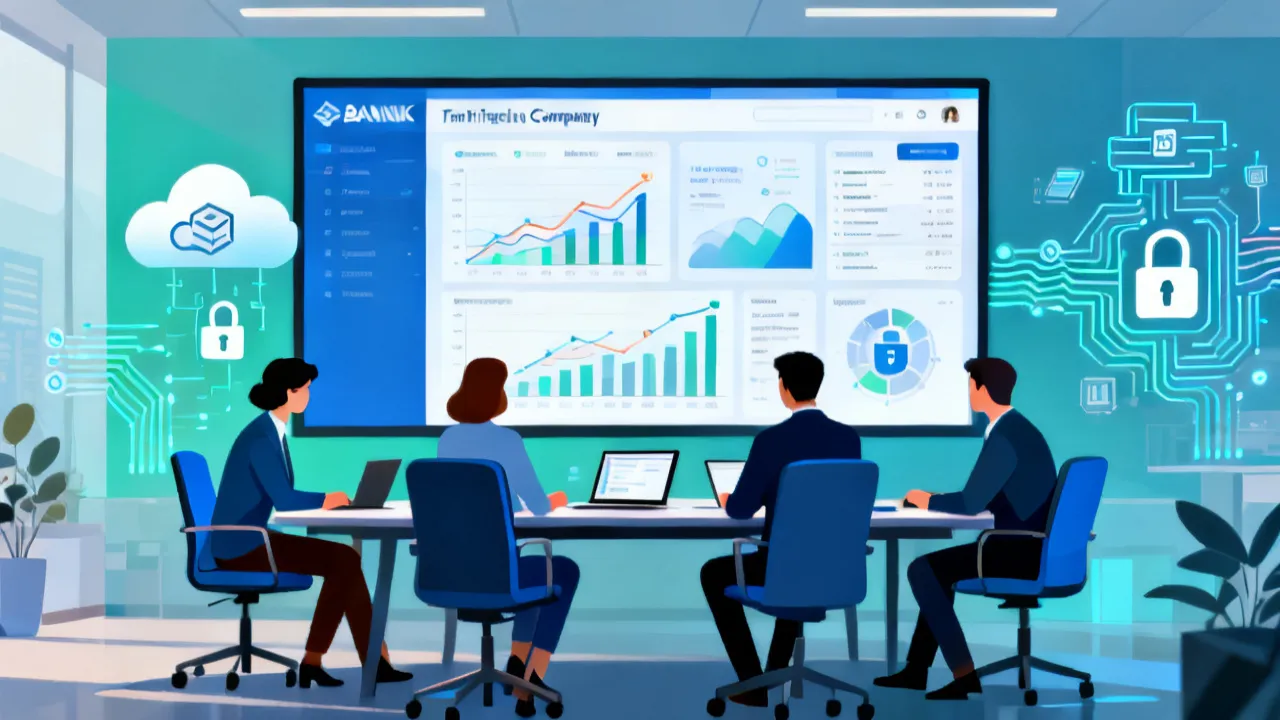
This guide explains how to use Finxact LinkedIn resources to research the company, its cloud-native core banking platform, leadership communications, career activity, partnerships, and industry positioning. Finxact is a banking technology company associated with modern, API-oriented core systems and is part of Salesforce. LinkedIn can provide useful public signals, but readers should verify material claims through official company sources, regulatory publications, and reputable industry research.
This guide explains how to use Finxact LinkedIn information to research the company, understand its banking technology positioning, assess career and partnership signals, and verify claims through authoritative sources. Finxact is associated with cloud-native core banking technology and operates within the broader Fiserv ecosystem. LinkedIn can provide useful public context, but company pages, employee posts, job listings, and engagement metrics should be interpreted alongside official corporate material, regulatory information, and independent industry research.

This guide explains how to evaluate Finxact on LinkedIn, interpret its company profile, understand its relationship with Fiserv, and use professional updates for research, recruitment, and banking-technology analysis. Finxact is associated with cloud-native core banking infrastructure and financial-services modernization. Because social profiles change, readers should verify current roles, announcements, and employment information through official company channels and authoritative corporate sources.
This guide explains how to evaluate Finxact’s LinkedIn presence as a source of information about cloud-native core banking, company developments, careers, and industry perspectives. Finxact is associated with modern banking infrastructure and is part of the broader FIS technology ecosystem. Because social media profiles, employee listings, and published announcements can change, readers should distinguish verified company information from commentary and assess each post in its proper business and regulatory context.
This guide explains how Finxact LinkedIn can help readers evaluate company updates, professional expertise, careers, partnerships, and cloud-core-banking developments. Finxact is a cloud-native core banking technology provider associated with Fiserv, serving financial institutions that need configurable platforms for deposits, accounts, payments, and product innovation. Because social profiles change, important claims should be checked against official corporate communications, regulatory filings, and direct company materials.

This guide explains how to use Finxact LinkedIn information as a starting point for researching the banking technology company, its platform, leadership, hiring activity, partnerships, and market positioning. Finxact is associated with cloud-native core banking technology and operates within the broader FIS ecosystem. Because social profiles change over time, readers should compare LinkedIn observations with official company announcements, regulatory materials, product documentation, and reputable industry research.
This guide explains how to use Finxact LinkedIn information to research the company, understand its banking technology focus, assess professional updates, and evaluate career or partnership relevance. Finxact is associated with modern core banking infrastructure and is part of the broader Fiserv ecosystem. Because LinkedIn pages, job postings, and organizational descriptions can change, readers should compare social content with official corporate materials, regulatory disclosures, and other reliable industry sources before making decisions.