This guide explores dental implant options, focusing on cost-effective solutions. Augustadentures.com offers insights into quality dental implants ensuring good oral health. We'll examine various providers' affordability, services, and processes, highlighting essential tips for English-speaking regions. All information is up to date as of October 2023.
Dental health is foundational to overall well-being, and dental implants stand out as a pivotal solution for tooth loss. Augustadentures.com delves into the realm of dental implants, providing insights into affordable options for those seeking restorative dental solutions. In this guide, we'll explore various facets of dental implant procedures, from understanding costs to navigating the journey toward a better smile.
Dental implants serve as a robust replacement for natural teeth, providing a good solution to missing teeth. They involve the insertion of a titanium post into the jawbone, which serves as an anchor for artificial teeth. The reliability and success of dental implants have made them a sought-after choice for patients seeking durability and a natural appearance. However, the cost of implants can often be a deterrent for many individuals.
The dental implant process typically requires multiple steps, starting with a comprehensive evaluation of the patient’s oral health, followed by designing a personalized treatment plan that may include bone grafts if necessary. This detailed evaluation ensures that the foundation for the implant is sound, significantly increasing the chances of success. After the titanium post is anchored in the jawbone, an osseointegration phase follows, where the jawbone gradually integrates with the implant, providing a stable base for the new tooth. This exquisite crafting process showcases the balance of modern dentistry technology and the restoration of a patient’s smile.
To better understand the affordability factor of dental implants, it's imperative to look at some notable providers and their offerings:
| Website | Features |
|---|---|
| Dental Views | Provides low-cost dental implants information, FAQs on procedures, benefits, and costs. |
| Atlantic Dental Group | Offers a broad range of dental services, including implants, with emphasis on easy appointment booking. |
| DentaVacation | Focusing on dental tourism, it helps patients access affordable treatment abroad with comprehensive procedure details. |
Source: Dental Views, Atlantic Dental Group, DentaVacation
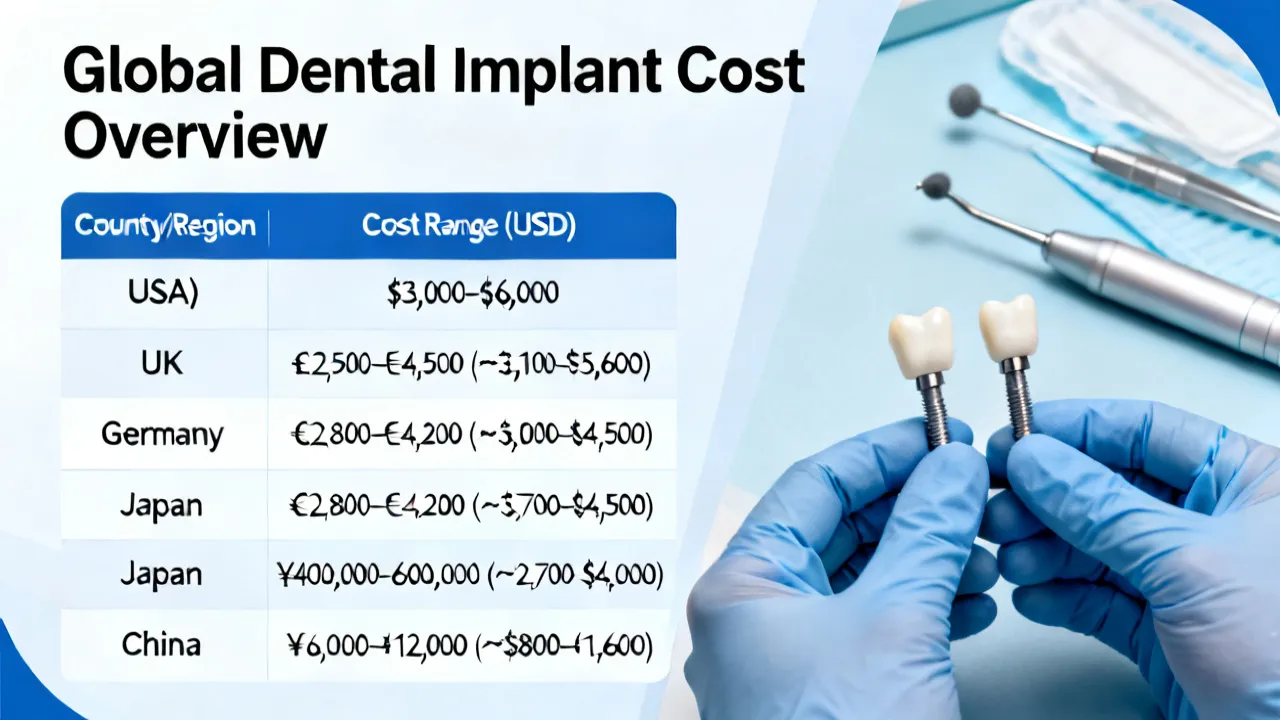
In English-speaking countries, dental implant costs vary significantly based on factors such as geographical location, clinic, and expertise of the dental surgeons involved. Here’s a detailed look at the cost ranges:
| Country | Currency | Price Range |
|---|---|---|
| United States (US) | USD | $3,000 - $6,000 |
| United Kingdom (GB) | GBP | £2,000 - £2,500 |
| Australia (AU) | AUD | AU$3,500 - AU$6,500 |
| Canada (CA) | CAD | CA$3,000 - CA$5,500 |
Understanding these costs not only aids in budgeting for procedures but also highlights the importance of exploring local resources and potential financing options that may mitigate paying out-of-pocket costs. Prices can be affected by the level of expertise, the technological advancements used in procedures, and whether the implants are made from premium materials, which can justify higher costs in certain regions.
Embarking on the journey towards affordable dental implants involves a few strategic steps:
The dental implant procedure consists of several stages that require careful planning and execution. Initially, a dentist conducts a comprehensive evaluation that may involve x-rays and 3D imaging to assess the jawbone’s condition and to determine the best course of action.
When preparing for the actual implant surgery, patients typically undergo a local anesthetic, or potential sedation, for more extensive work. The first phase involves the surgical placement of the titanium post into the jawbone through a minor incision in the gums. A healing period follows where the bone and gum tissue integrate with the implant—a process called osseointegration. This crucial step can take several months, but it is essential for the long-term success of the implant.
After osseointegration is complete, a second surgery is required to place an abutment, which holds the crown (the visible part of the implant). Once the gums heal around the abutment, impressions of the mouth are taken to create customized crowns, which are then affixed to the abutment to complete the restoration. This multi-step process underscores the importance of patience and careful attention to detail to ensure that the final result is both functional and aesthetically pleasing.
Here are some common questions patients have regarding dental implants:
As you approach the date of your dental implant surgery, there are several preparation steps to ensure everything goes smoothly:
The care of dental implants is crucial to ensure their longevity and functionality. Some key practices include:
Conclusion: Navigating the path to affordable dental implants involves a comprehensive approach. By utilizing resources like Augustadentures.com and comparing various providers, patients can achieve functional and aesthetically pleasing results without financial strain. Empower yourself with information to make cost-effective and informed decisions, while ensuring that you take the necessary steps to maintain your oral health both pre- and post-treatment.
Disclaimer: The above information comes from online resources, and the data is as of October 2023. Dental implant prices are for reference only and may vary by region, clinic, and doctor.
[1] Dental Views
[3] DentaVacation
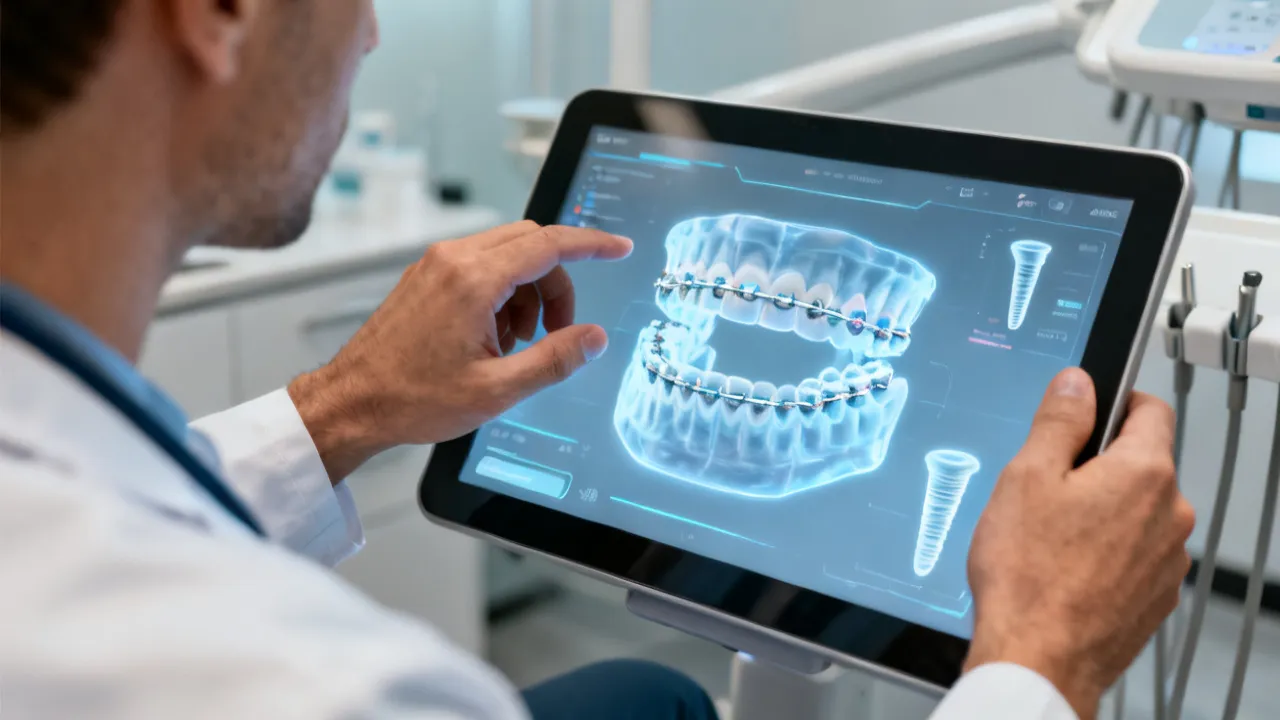
This guide explains how Digital Dentistry in Orthodontics supports more predictable planning for dental implants and orthodontic care. It reviews how modern imaging, 3D modeling, and guided workflows influence diagnosis and treatment selection. It also compares trusted online sources for low-cost implant information and outlines practical steps and typical cost ranges across English-, Spanish-, and Portuguese-speaking countries.
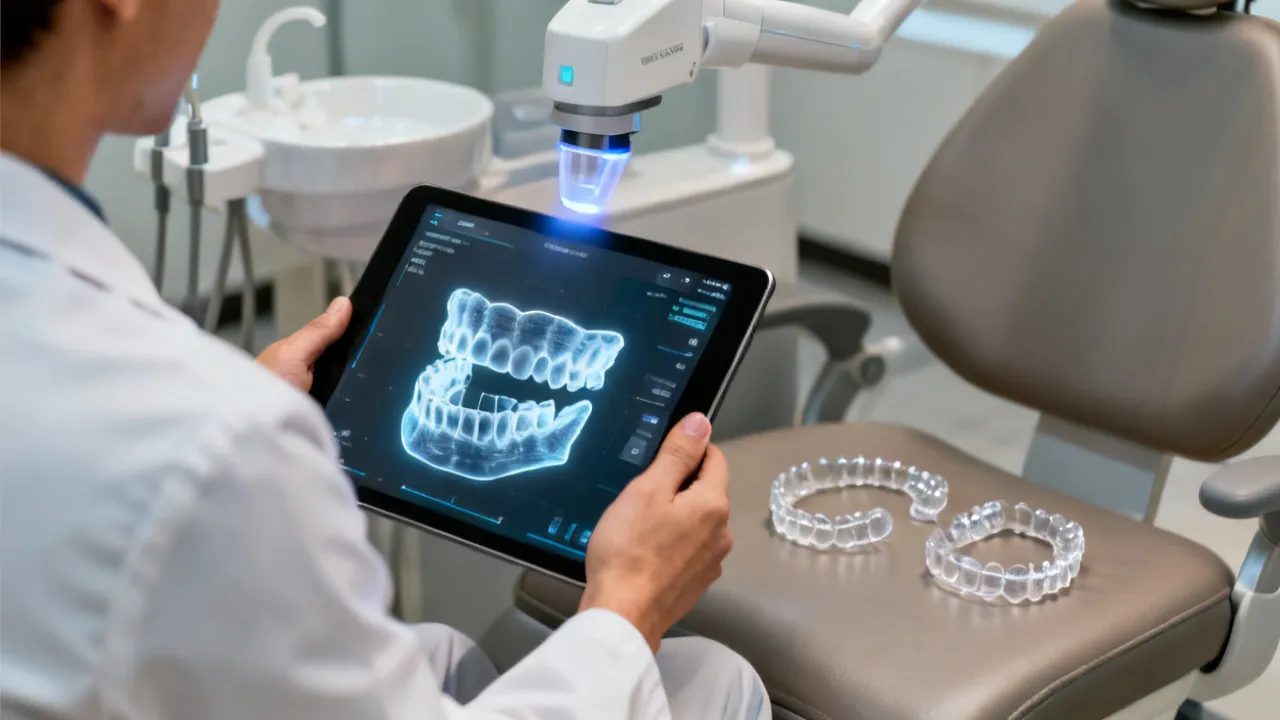
Digital Dentistry in Orthodontics is reshaping how clinicians plan, measure, and manufacture aligners and appliances. This guide reviews how digital workflows support accuracy and communication, what patients should expect during planning and treatment, and how costs can differ across regions—often influenced by scan-to-planning tools, implant-related adjunct care, and insurance or dental tourism options.
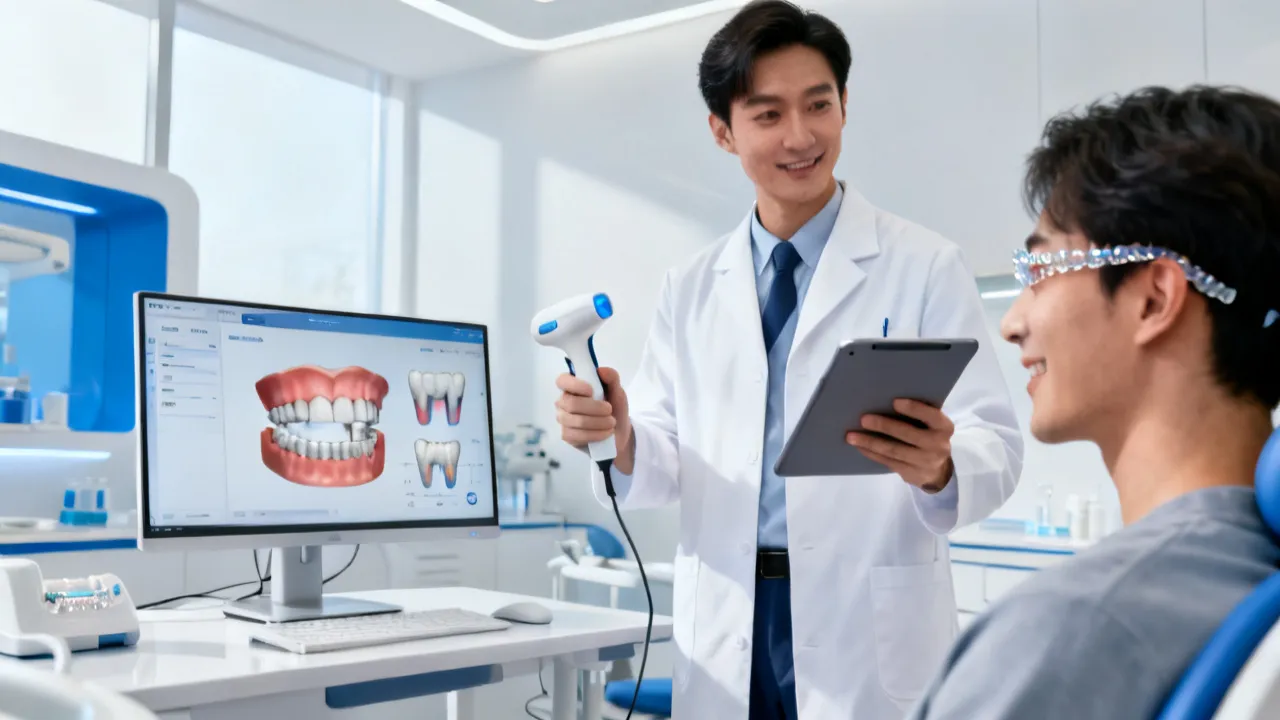
Digital Dentistry in Orthodontics is reshaping how clinicians plan and deliver braces and aligner treatments using 3D imaging, CAD/CAM workflows, and data-driven monitoring. This guide explains the background of digital orthodontics and why it matters for accuracy, communication, and coordinated care across dental teams, including considerations for affordability and implant-adjacent planning in international care pathways.
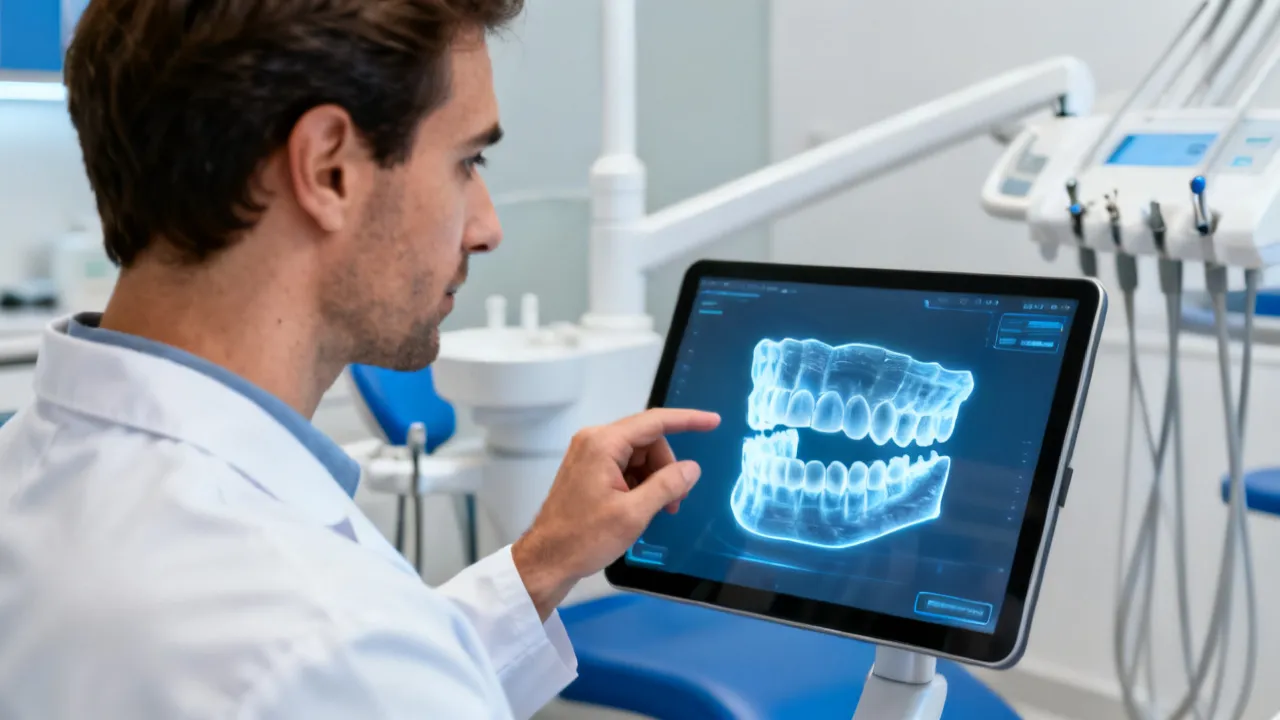
Digital Dentistry in Orthodontics is reshaping planning and outcomes through 3D imaging, guided workflows, and precise appliance design. This guide explains how orthodontic care can integrate with implant planning, and how patients in English-, Spanish-, and Portuguese-speaking countries may manage low-cost dental implants through insurance, dental tourism options, and clinic comparisons.
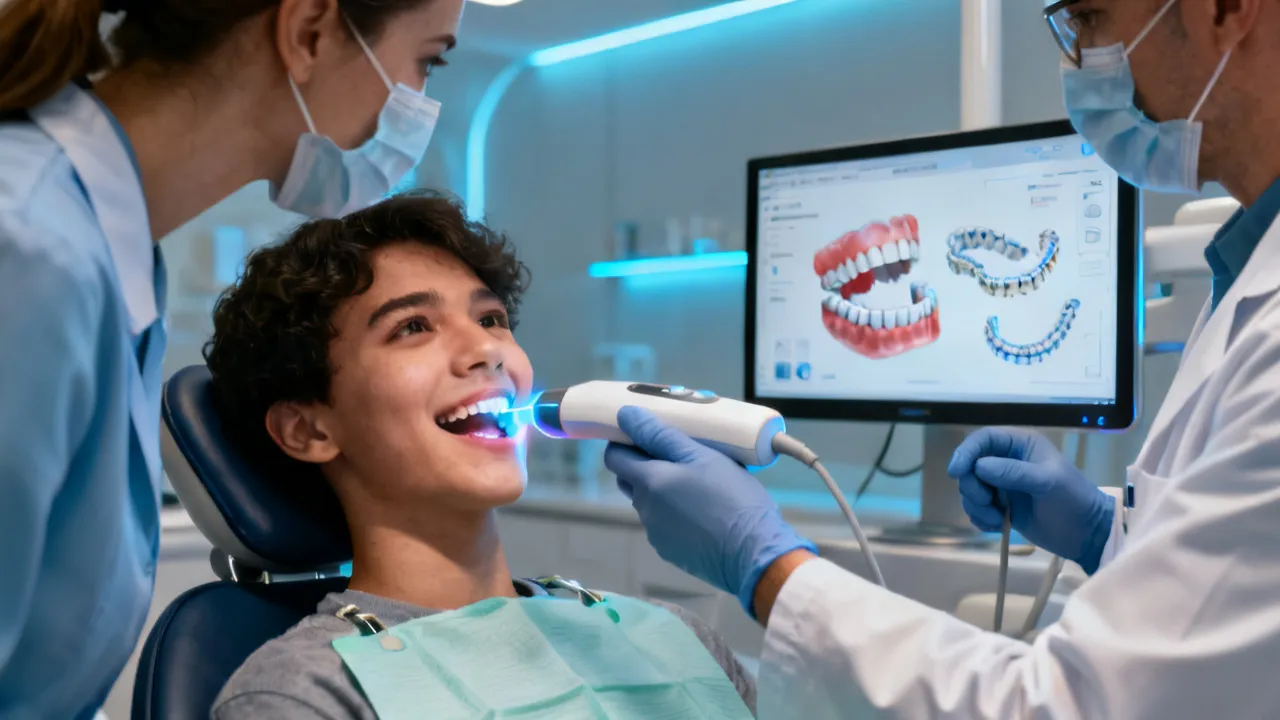
This guide explains how Digital Dentistry in Orthodontics supports diagnosis, treatment planning, and appliance design through 3D imaging and intraoral scanning. It then reviews how low-cost dental implant pathways intersect with orthodontic goals in different English-, Spanish-, and Portuguese-speaking regions. Background context covers what “digital” changes clinically, why accuracy matters, and how budgets are typically estimated.
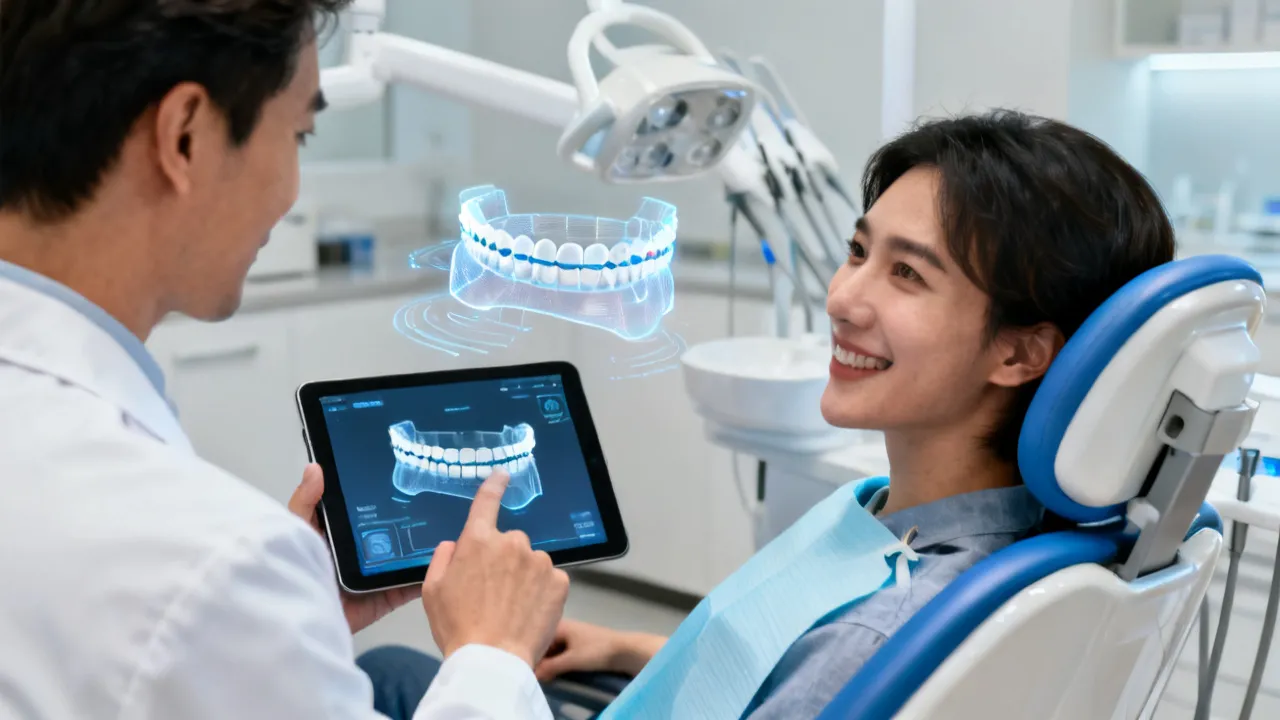
Digital Dentistry in Orthodontics is reshaping how clinicians plan and deliver braces, aligners, and implant-related care using 3D scanning, CAD/CAM design, and data-driven treatment pathways. This guide provides an objective overview of the technology, explains how low-cost implant options are researched in English-, Spanish-, and Portuguese-speaking markets, and summarizes typical cost ranges and practical steps.
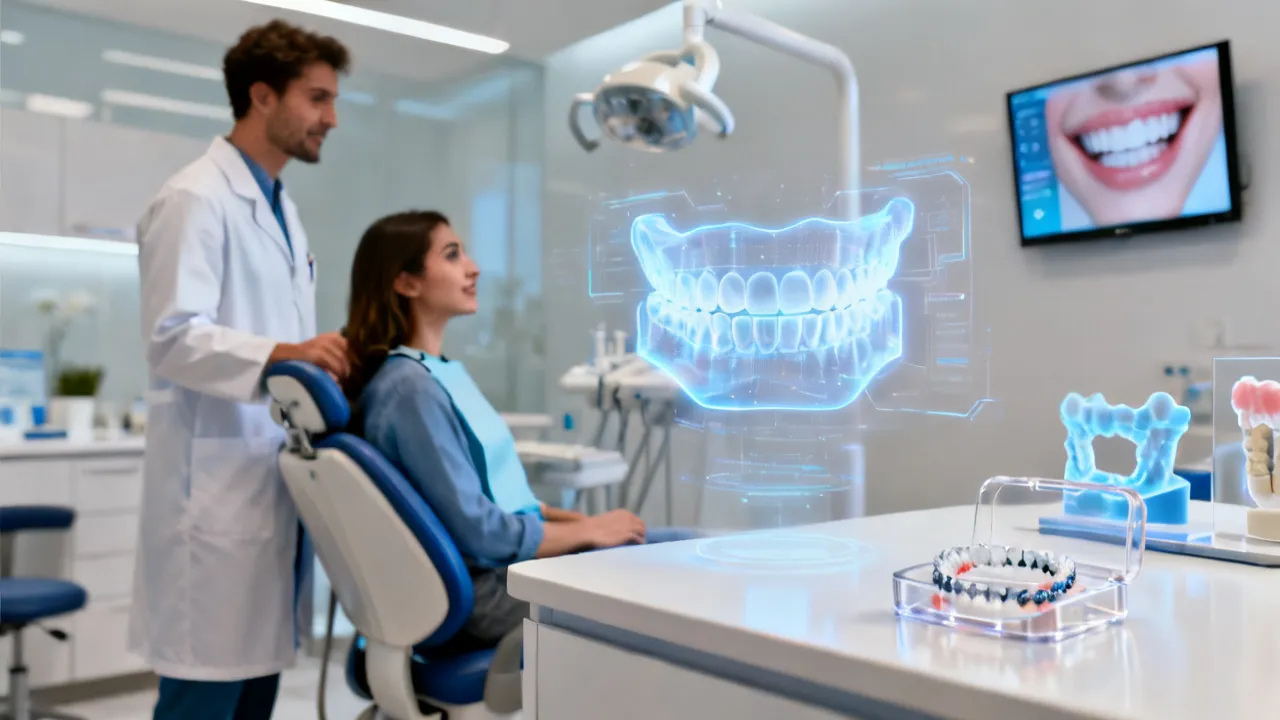
Digital Dentistry in Orthodontics is reshaping how clinicians plan, measure, and deliver orthodontic care with greater precision. This guide explains the core workflow—from intraoral scanning and 3D modeling to digital appliance design—while offering an expert view on benefits, risks, and practical cost considerations, including low-cost implant pathways and relevant regional price ranges.
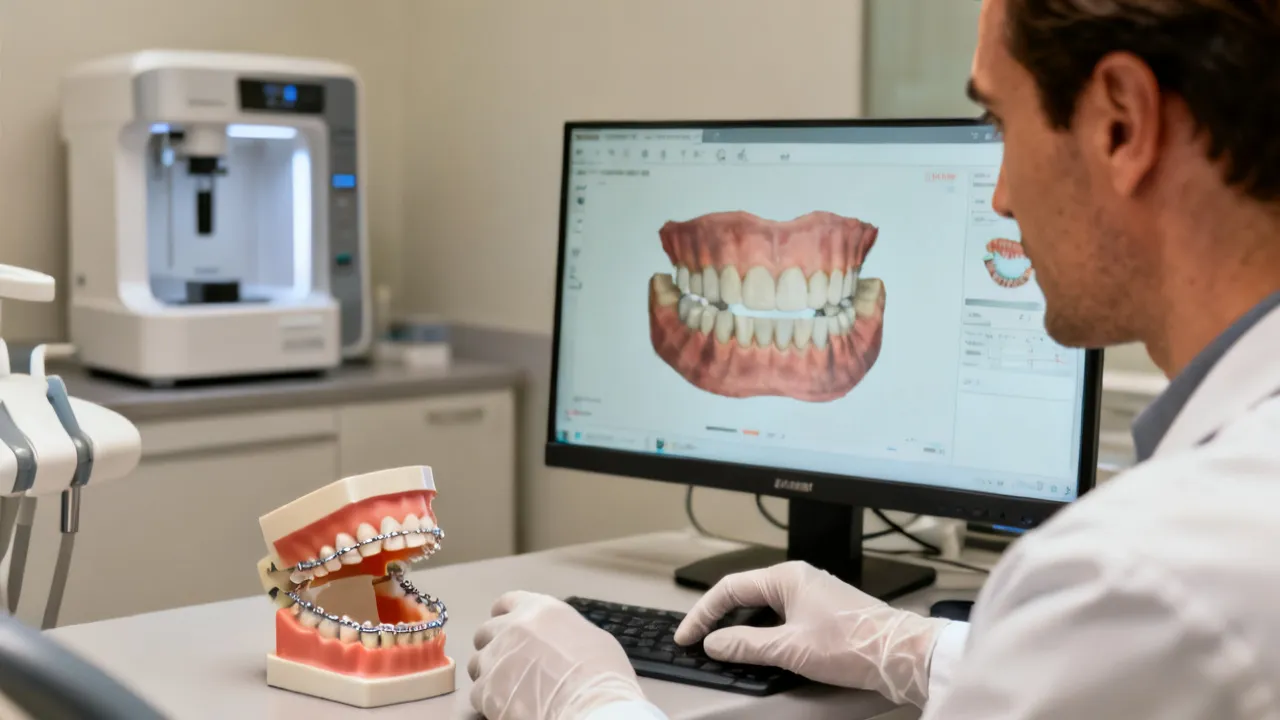
This guide explains Digital Dentistry in Orthodontics using objective, evidence-based concepts—from intraoral scanning to treatment planning and monitoring. It outlines how digital workflows support diagnosis, aligner/orthodontic design, and follow-up care, while also addressing practical cost considerations such as low-cost dental implants and dental tourism options. Background information is provided on why digital methods matter in modern orthodontics.