This guide delves into cost-effective dental implant solutions, focusing on an innovative service called "Newsmile." Dental implants have revolutionized oral healthcare by providing individuals with good solutions for missing teeth. They are a popular choice due to their durability and natural appearance. Comparing affordable options across English, Spanish, and Portuguese-speaking regions, this article explores various strategies for obtaining dental implants without straining one's budget.
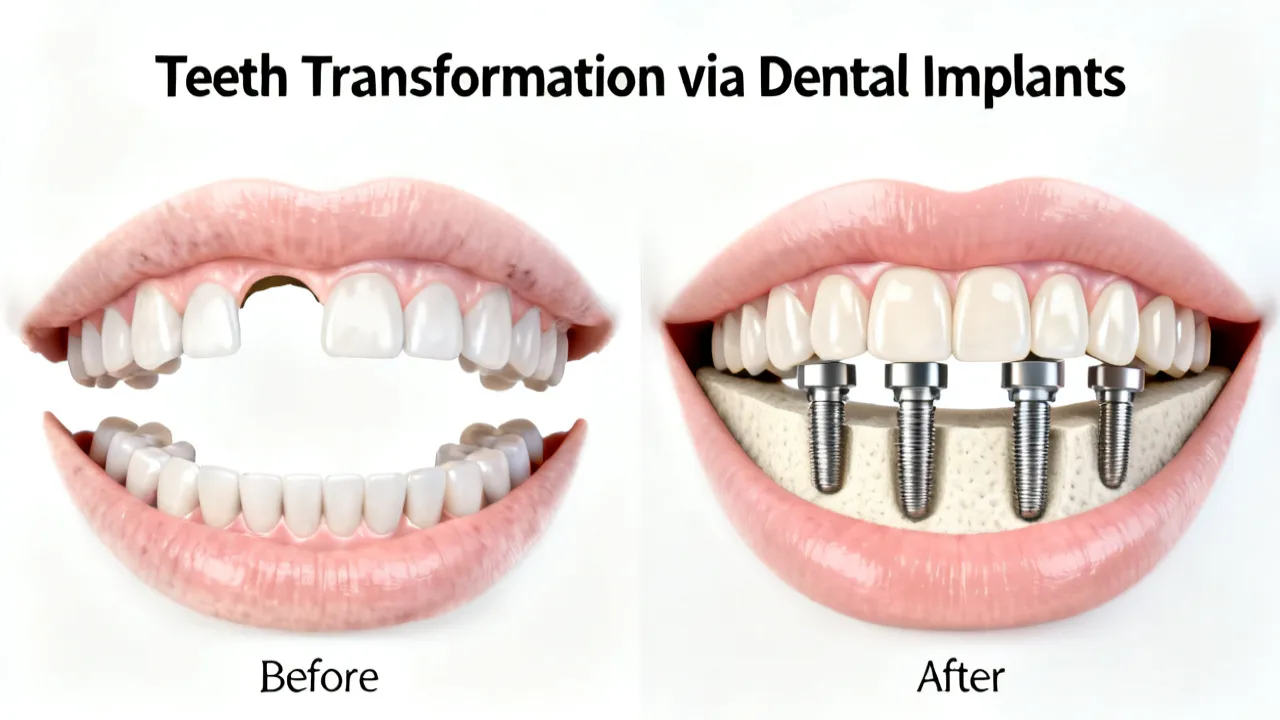
Dental implants have emerged as a groundbreaking solution in the field of oral health. These fixtures, inserted directly into the jawbone, offer a means for replacing missing teeth, closely mimicking the function and appearance of natural teeth. With advancements in dentistry, dental implants continue to gain popularity due to their effectiveness and long-lasting results. The structure of implants consists of three main components: the implant itself (a titanium post), the abutment (which connects the implant to the crown), and the crown (the visible part that resembles a tooth).
Beyond aesthetics, dental implants play a crucial role in oral health. They prevent bone loss, which can occur when teeth are missing, by stimulating the jawbone similarly to how natural teeth roots do. This benefit is vital, especially since bone loss can lead to further complications, including shifting of nearby teeth, changes in facial structure, and difficulties with chewing or speaking
Furthermore, dental implants require minimal maintenance compared to other tooth replacement options. Patients can care for them just like natural teeth by following regular dental hygiene practices, which include brushing, flossing, and routine dental check-ups. This ease of care enhances their allure, particularly for individuals seeking long-term solutions
The cost of dental implants can be prohibitive, which makes finding affordable solutions essential for many. "Newsmile" refers to a new wave of services that aim to make dental implants more accessible. These services employ optimizing techniques and streamlined processes to reduce costs without compromising quality. Examples of these techniques include using advanced technology for impressions, allowing for quicker and less invasive procedures, and improving patient financing options.
Moreover, by collaborating with reputable dental labs, these providers ensure that the materials used in the implants are both affordable and of high quality. Some companies even offer payment plans or financing options that allow patients to spread the costs over time, making it easier to manage financially. Additionally, extensive marketing strategies are employed to increase awareness of affordable dental services, especially among low-income populations who might otherwise forgo necessary treatment due to cost concerns.
Several clinics and services offer affordable dental implant solutions tailored to different needs and locations. Below is a comparison of some noteworthy providers:
| Service | Key Features |
|---|---|
| Dental Views | Offers low-cost dental implant solutions with detailed information on benefits and costs. |
| Atlantic Dental Group | Provides comprehensive dental services and easy access to appointments and professional care. |
| DentaVacation | Facilitates dental tourism with cost comparisons and travel arrangements. |
| New Teeth Now | Focuses on same-day implants with expedited service and personalized care plans. |
| Affordable Dental Solutions | Offers discounts for multiple implants and flexible payment options. |
Sources:
In nations where English is the primary language, costs for dental implants vary widely. Here's how you can achieve low-cost dental implants:
| Country | Currency | Price Range |
|---|---|---|
| United States | USD | $3,000 - $6,000 |
| United Kingdom | GBP | £2,000 - £2,500 |
| Australia | AUD | AU$3,500 - AU$6,500 |
| Canada | CAD | CA$3,000 - CA$5,500 |
Understanding the various factors that contribute to the costs associated with dental implants can empower you to make informed choices. Here are some key considerations:
Disclaimer: The above information comes from online resources, and the data is as of October 2023. Dental implant prices are for reference only and may vary by region, clinic, and doctor.
Exploring options like "Newsmile" is crucial for those seeking quality dental care at a fraction of the price. By understanding different cost ranges and following strategic steps to reduce expenses, obtaining a confident and radiant smile becomes accessible. This pursuit not only enhances one’s appearance but significantly contributes to overall oral health. Moreover, the long-term benefits of dental implants—such as improved chewing function and aesthetic harmony—provide justification for their investment.
It’s imperative to remain proactive and informed throughout the process of acquiring dental implants. Consulting multiple practitioners, reading patient reviews, and asking about any available financing options can significantly impact the experience and outcome. Always prioritize clinics that offer comprehensive consultations, where you can discuss your needs, expectations, and any concerns you may have without any pressure.
For more detailed insights, visit the referenced websites and consider all options meticulously before making a decision. By taking these steps, you will be much better prepared to navigate the landscape of dental implants and find the solution that is right for you.
[References]: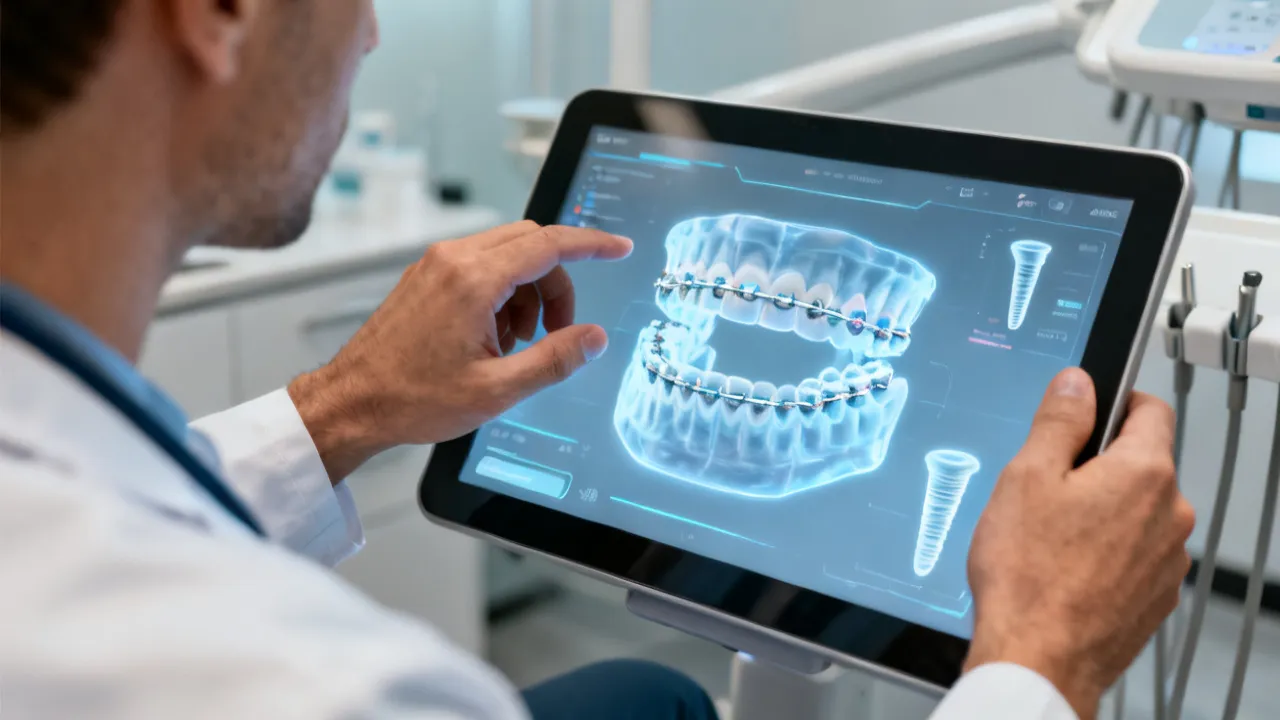
This guide explains how Digital Dentistry in Orthodontics supports more predictable planning for dental implants and orthodontic care. It reviews how modern imaging, 3D modeling, and guided workflows influence diagnosis and treatment selection. It also compares trusted online sources for low-cost implant information and outlines practical steps and typical cost ranges across English-, Spanish-, and Portuguese-speaking countries.
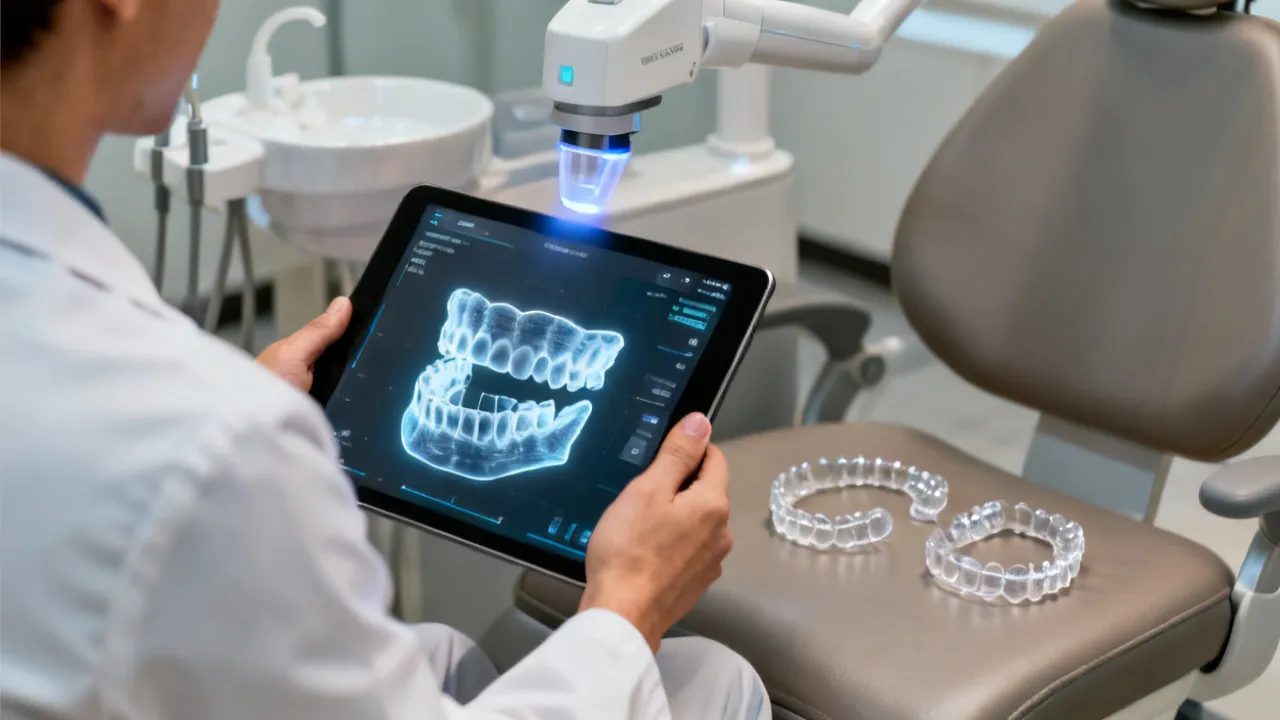
Digital Dentistry in Orthodontics is reshaping how clinicians plan, measure, and manufacture aligners and appliances. This guide reviews how digital workflows support accuracy and communication, what patients should expect during planning and treatment, and how costs can differ across regions—often influenced by scan-to-planning tools, implant-related adjunct care, and insurance or dental tourism options.
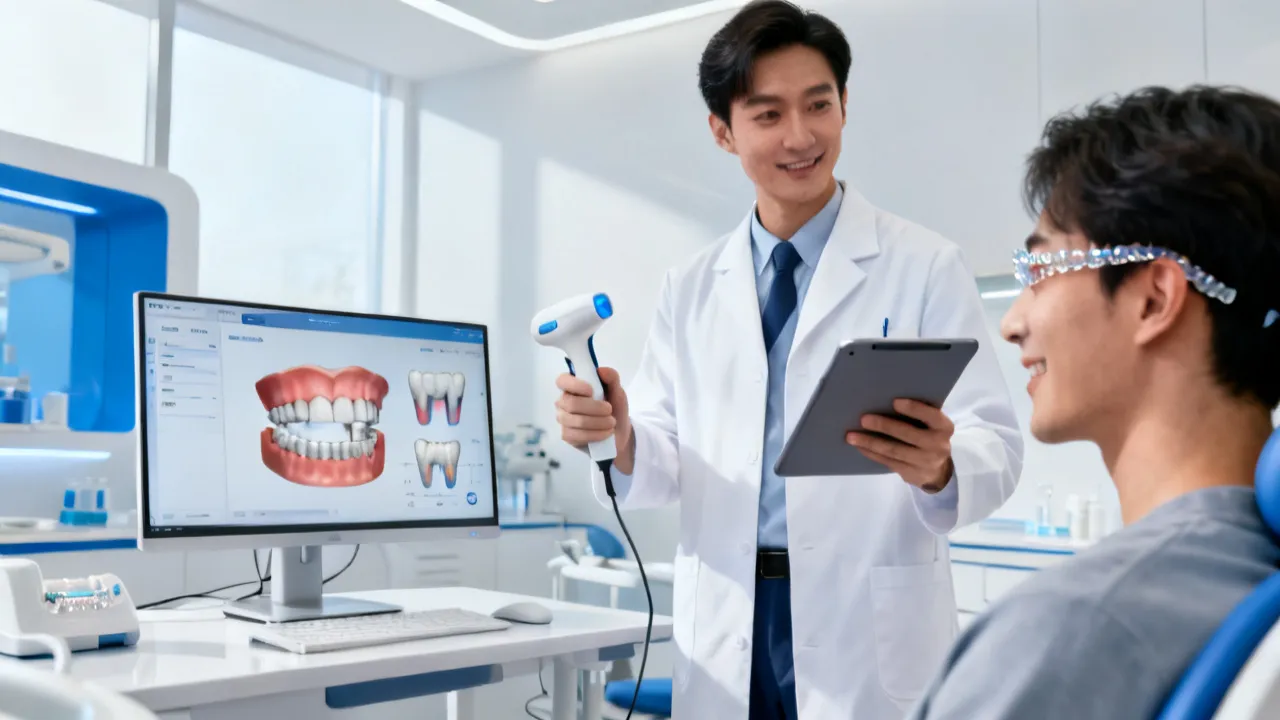
Digital Dentistry in Orthodontics is reshaping how clinicians plan and deliver braces and aligner treatments using 3D imaging, CAD/CAM workflows, and data-driven monitoring. This guide explains the background of digital orthodontics and why it matters for accuracy, communication, and coordinated care across dental teams, including considerations for affordability and implant-adjacent planning in international care pathways.
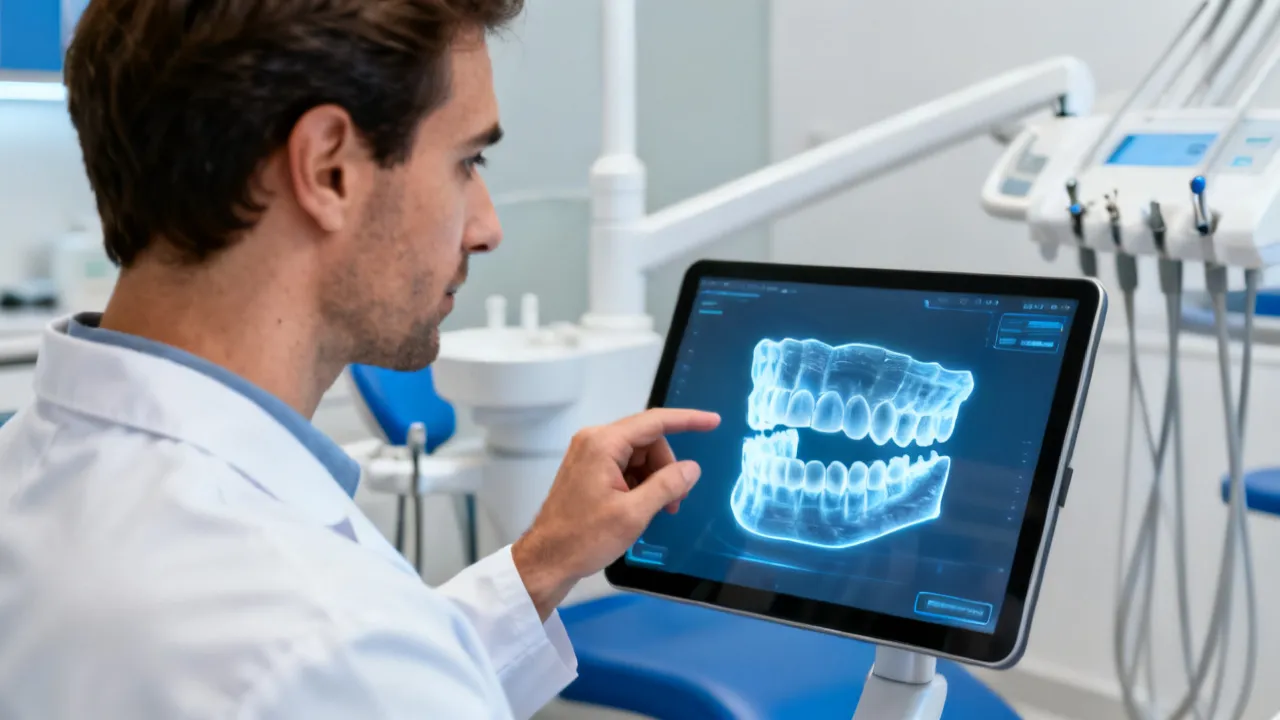
Digital Dentistry in Orthodontics is reshaping planning and outcomes through 3D imaging, guided workflows, and precise appliance design. This guide explains how orthodontic care can integrate with implant planning, and how patients in English-, Spanish-, and Portuguese-speaking countries may manage low-cost dental implants through insurance, dental tourism options, and clinic comparisons.
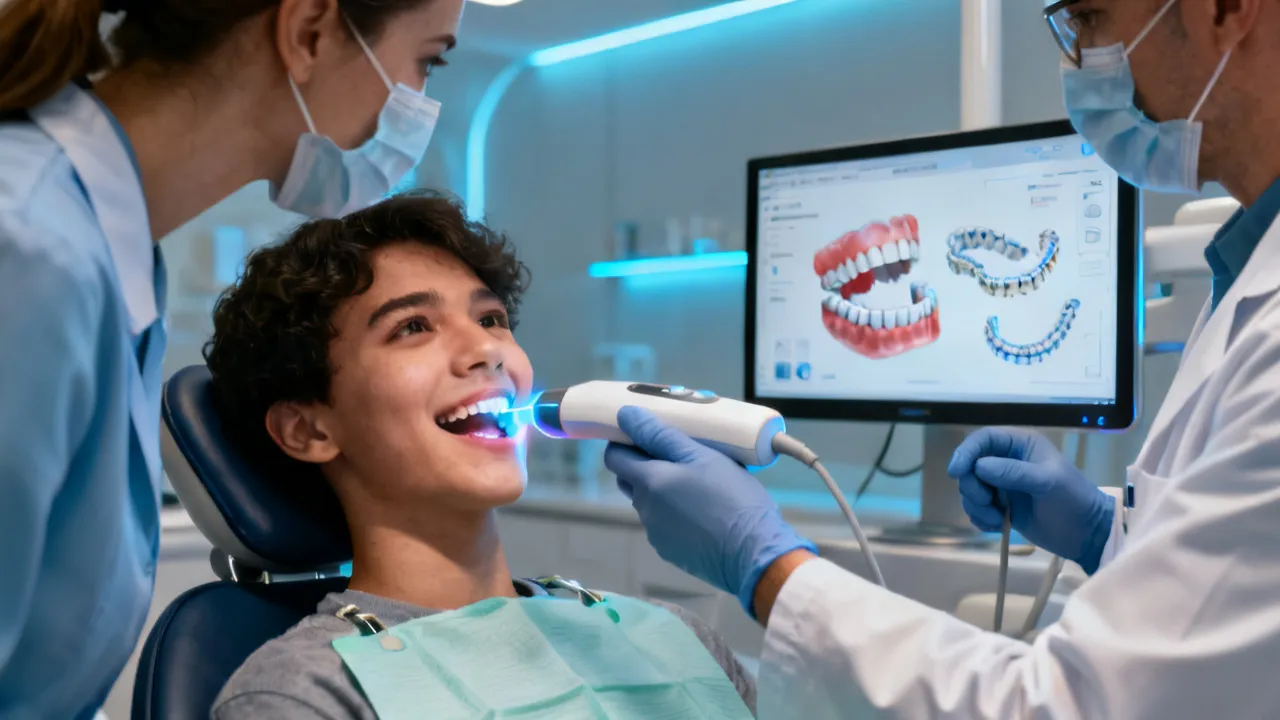
This guide explains how Digital Dentistry in Orthodontics supports diagnosis, treatment planning, and appliance design through 3D imaging and intraoral scanning. It then reviews how low-cost dental implant pathways intersect with orthodontic goals in different English-, Spanish-, and Portuguese-speaking regions. Background context covers what “digital” changes clinically, why accuracy matters, and how budgets are typically estimated.
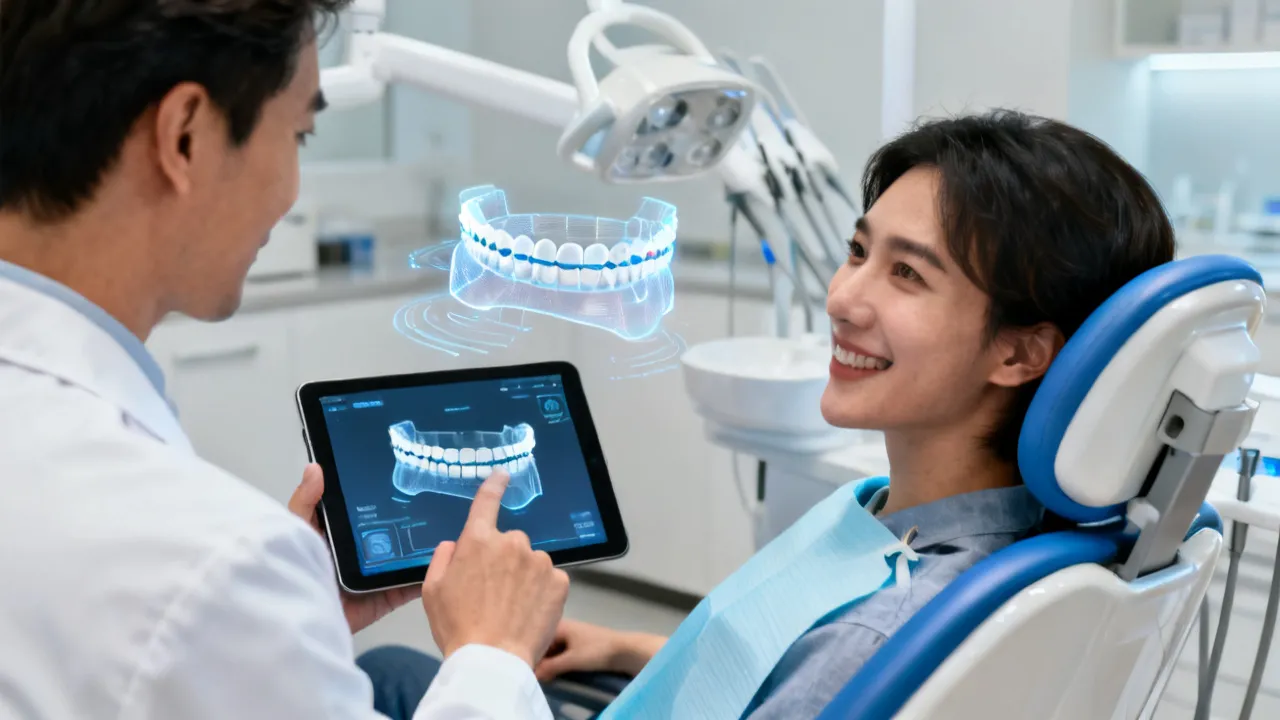
Digital Dentistry in Orthodontics is reshaping how clinicians plan and deliver braces, aligners, and implant-related care using 3D scanning, CAD/CAM design, and data-driven treatment pathways. This guide provides an objective overview of the technology, explains how low-cost implant options are researched in English-, Spanish-, and Portuguese-speaking markets, and summarizes typical cost ranges and practical steps.
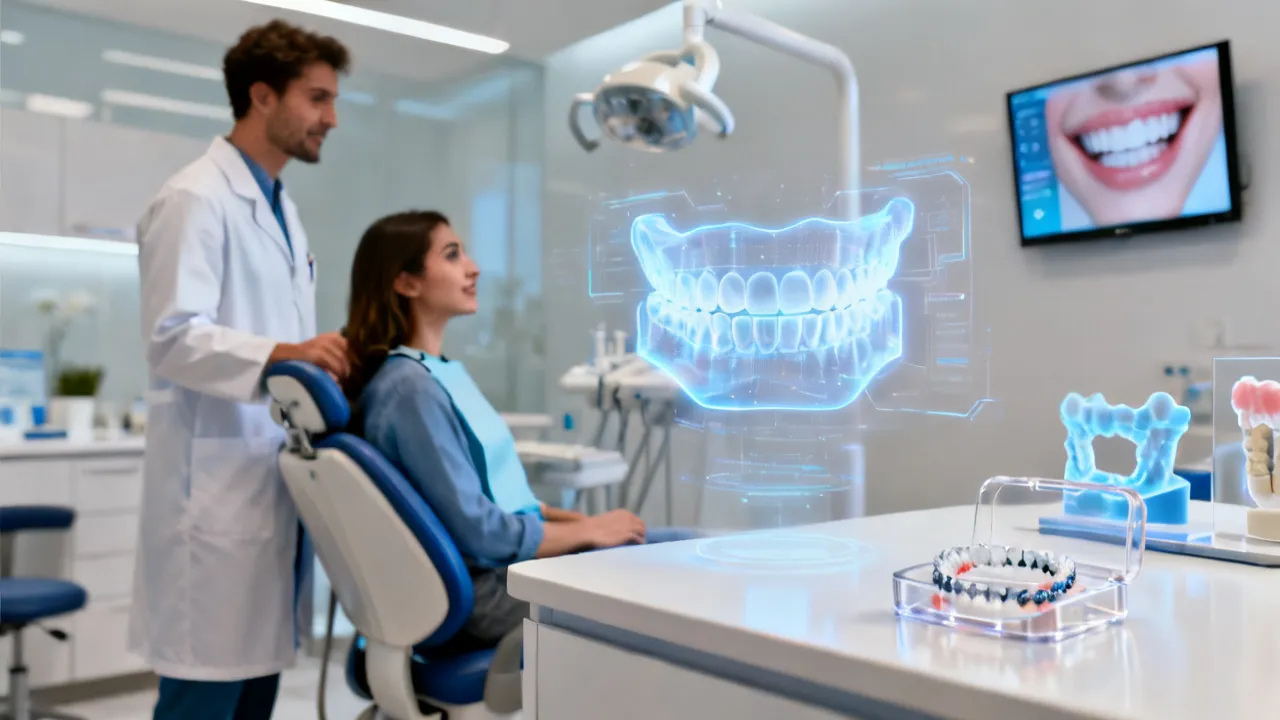
Digital Dentistry in Orthodontics is reshaping how clinicians plan, measure, and deliver orthodontic care with greater precision. This guide explains the core workflow—from intraoral scanning and 3D modeling to digital appliance design—while offering an expert view on benefits, risks, and practical cost considerations, including low-cost implant pathways and relevant regional price ranges.
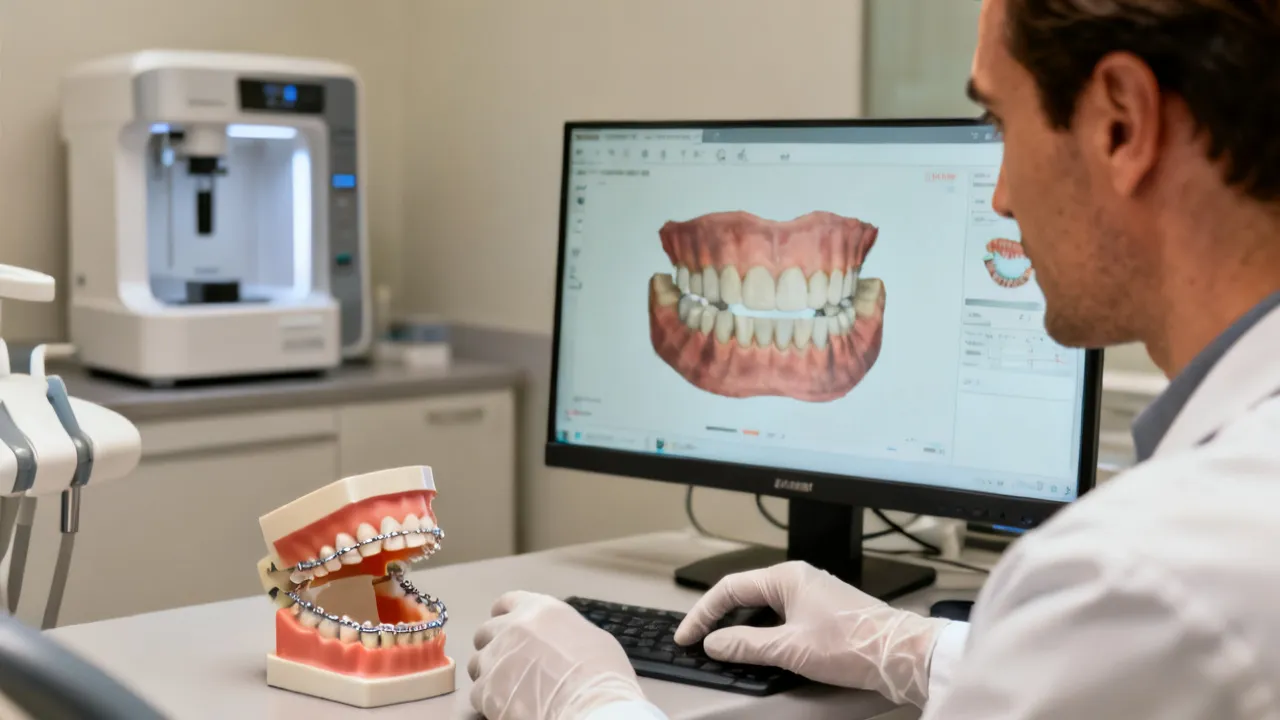
This guide explains Digital Dentistry in Orthodontics using objective, evidence-based concepts—from intraoral scanning to treatment planning and monitoring. It outlines how digital workflows support diagnosis, aligner/orthodontic design, and follow-up care, while also addressing practical cost considerations such as low-cost dental implants and dental tourism options. Background information is provided on why digital methods matter in modern orthodontics.