Teledentistry Arizona explores how digital innovations are transforming dental care accessibility in the region. This comprehensive guide delves into the impact of teledentistry on affordability and convenience, fostering a new era of dental wellness. We'll explore Arizona's healthcare digitalization, focusing on how it simplifies access to essential dental services, particularly for remote areas.
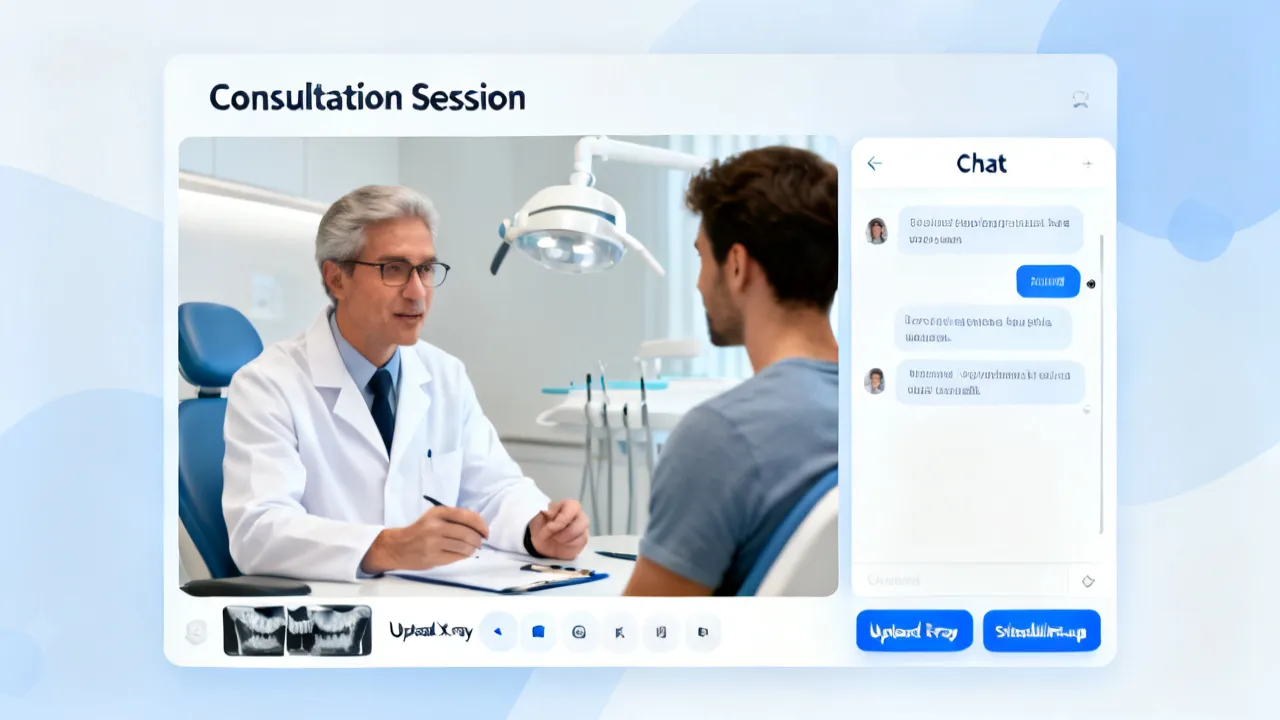
As digital health technologies continue to evolve, teledentistry in Arizona is drastically reshaping the landscape of dental care. This transformative tool utilizes telecommunications technology to facilitate remote dental consultations, enabling practitioners to diagnose and discuss treatment plans without the need for in-person visits. Particularly in a geographically diverse state like Arizona, teledentistry bridges the gap between patients and dental professionals, ensuring that care is accessible to even the very isolated communities. This new approach has become especially relevant during and after the COVID-19 pandemic, where maintaining health while minimizing physical contact became a priority.
Teledentistry primarily refers to the use of digital communication tools, such as video conferencing, to offer dental treatment and preventative consultation remotely. Patients can interact with their dental healthcare providers in real-time, receiving advice and diagnoses without the need to travel. This can be incredibly beneficial for patients in Arizona's rural areas, who may otherwise face significant travel time for dental appointments. By utilizing technologies such as secure video conferencing platforms, dental apps, and online chat services, teledentistry fosters an immediate connection between patients and their dental health providers, enhancing the overall patient experience.
While teledentistry offers numerous advantages, it complements rather than replaces conventional dental visits. Complex procedures that require hands-on treatment, such as extractions, root canals, or cosmetic surgeries, still necessitate in-person consultations. However, routine check-ups, follow-ups, and initial consultations can efficiently be managed online. This hybrid approach ensures that patients receive timely preliminary care while optimizing the use of in-person visits for more intensive treatments.
Arizona also benefits from integrating teledentistry with information on low-cost dental implants. Below is a comparative evaluation of several platforms that provide affordable dental implant solutions, along with details on how these resources are utilized within the teledentistry framework. The access to more comprehensive information online means that patients can make informed decisions about their dental health ahead of scheduling procedures, leading to better anticipation and preparation for the necessary treatments.
| Platform | Features |
|---|---|
| Dental Views | Offers detailed information on low-cost dental implants, types of treatments, cost breakdowns, and process overviews. Users can find educational resources that help them understand the benefits and risks of different implant options. |
| Atlantic Dental Group | Comprehensive dental services with an emphasis on implants, available through online consultations. They provide a personalized approach to care, focusing on individual patient needs during remote sessions. |
| DentaVacation | Specializes in cost-efficient dental tourism options, enhancing affordability through travel to locations where dental treatments are typically less expensive. This platform serves as a bridge for those exploring international options, combining local teledentistry services with overseas procedures. |
source: [Dental Views](https://dentalviews.com/low-cost-dental-implants/), [Atlantic Dental Group](https://www.atlanticdentalgrp.com/), [DentaVacation](https://www.dentavacation.com/)
Teledentistry is rapidly growing across English-speaking nations, driven by advancements in technology and increasing healthcare digitalization. Here is a cost range for individual dental implants in various countries:
As dental practices adapt to incorporating digital technologies, the landscape of dentistry is rapidly evolving. In countries like the US, the availability of teledentistry enables practitioners to reach a broader patient demographic while also enhancing patient satisfaction through extended service offerings. Telehealth could potentially revolutionize not only dental health but healthcare as a whole, leading to long-term standardization of remote consultative practices.
The application of teledentistry not only enhances the accessibility of dental services in Arizona but also demonstrates success in various real-life scenarios. For instance, during the pandemic, many dental practices emphasized remote consultations, allowing them to offer emergency care to patients experiencing pain or dental issues while minimizing in-person visits. By utilizing teledentistry, these practices were able to continue serving their patients and maintaining high standards of care.
Additionally, many clinics have reported improved patient retention due to the convenience teledentistry offers. Patients who might typically miss annual check-ups due to scheduling conflicts can now connect with their providers while balancing their regular commitments. This not only boosts compliance with care routines but also reduces the risk of developing complex dental conditions that require more extensive treatment.
What is the primary benefit of teledentistry?
Teledentistry significantly enhances access to dental care, especially for those in remote areas. It removes barriers for patients who may otherwise have to travel long distances to receive quality dental care.
Can complex dental procedures be done via teledentistry?
No, while consultations can occur virtually, complex procedures still require in-person visits to a dental clinic. Teledentistry is mostly suited for consultations, follow-up visits, and preventive care.
Is teledentistry covered by insurance in Arizona?
Coverage varies by provider, so it's essential to check with your insurance carrier regarding specific telehealth benefits. Many insurance plans are starting to recognize the benefits of virtual visits, which may lead to better coverage in the near future.
Can dental emergencies be assessed via teledentistry?
Yes, dental emergencies can be preliminarily assessed through teledentistry. Patients can describe their symptoms and share images of their dental issues, allowing providers to determine if they need immediate in-person care.
Is it safe to share my dental health information online?
Yes, as long as you use secure and reputable platforms. Most teledentistry services comply with HIPAA regulations to protect your health information.
Teledentistry in Arizona represents an exciting advancement in healthcare delivery, offering a blend of convenience and accessibility while supporting more cost-effective dental care options. By integrating this technology with traditional practices, patients can enjoy a comprehensive approach to oral health care. The expansion of telehealth technologies in dentistry also contributes to greater patient satisfaction, as patients no longer have to sacrifice time, convenience, or quality to maintain their dental health. The continued evolution of teledentistry poses new opportunities not only in Arizona but worldwide, significantly affecting how patients perceive and use dental care services.
The above information comes from online resources, and the data is as of October 2023. Dental implant prices are for reference only and may vary by region, clinic, and doctor. Always consult with a licensed dental professional to obtain the most current and relevant information regarding your dental health.
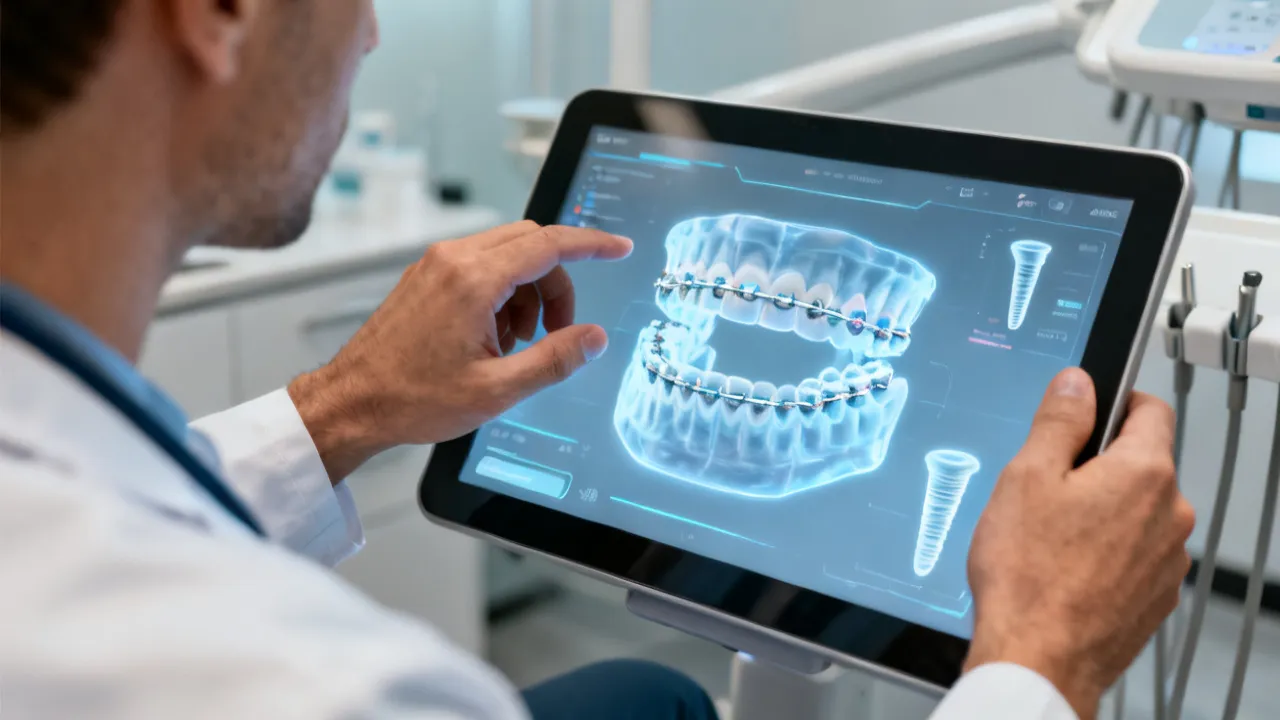
This guide explains how Digital Dentistry in Orthodontics supports more predictable planning for dental implants and orthodontic care. It reviews how modern imaging, 3D modeling, and guided workflows influence diagnosis and treatment selection. It also compares trusted online sources for low-cost implant information and outlines practical steps and typical cost ranges across English-, Spanish-, and Portuguese-speaking countries.
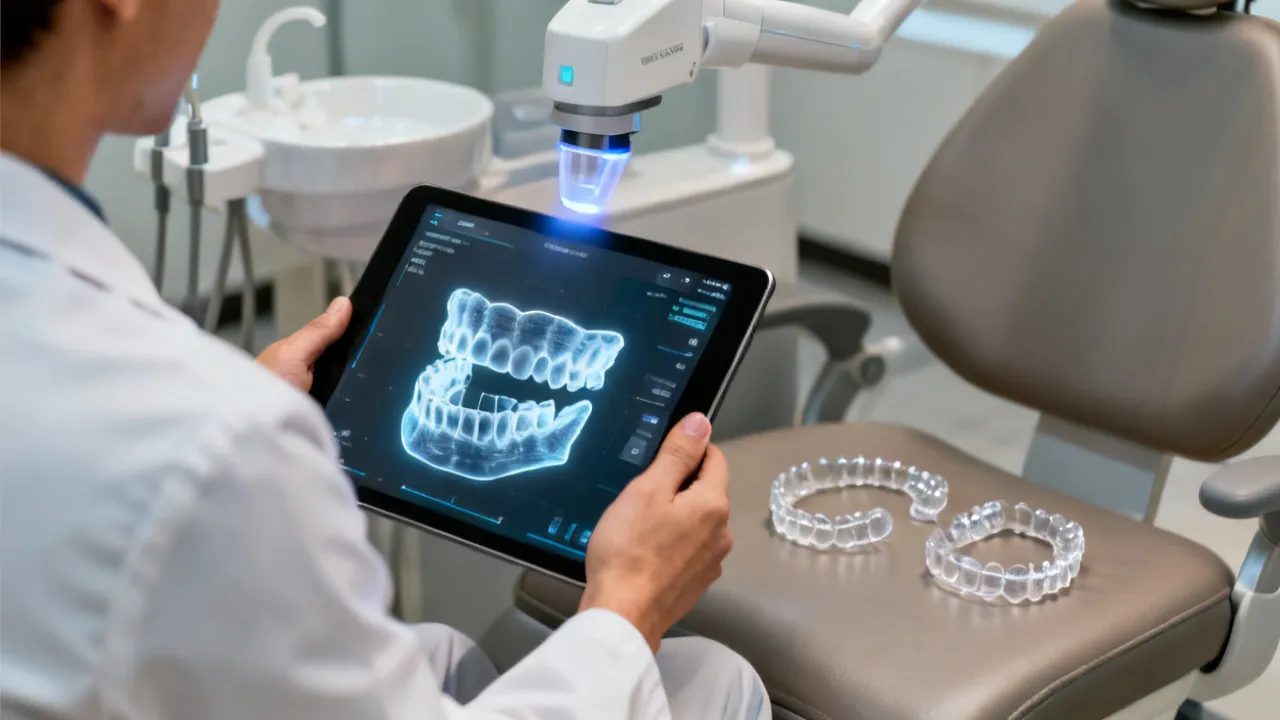
Digital Dentistry in Orthodontics is reshaping how clinicians plan, measure, and manufacture aligners and appliances. This guide reviews how digital workflows support accuracy and communication, what patients should expect during planning and treatment, and how costs can differ across regions—often influenced by scan-to-planning tools, implant-related adjunct care, and insurance or dental tourism options.
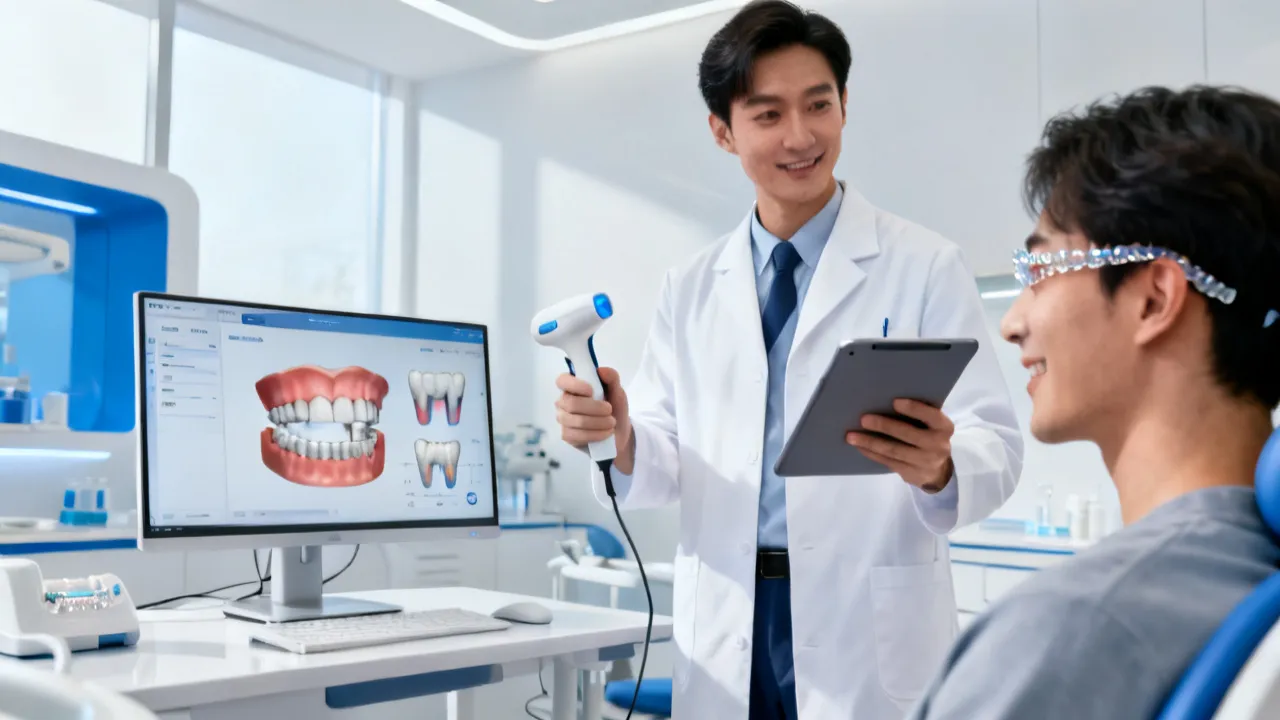
Digital Dentistry in Orthodontics is reshaping how clinicians plan and deliver braces and aligner treatments using 3D imaging, CAD/CAM workflows, and data-driven monitoring. This guide explains the background of digital orthodontics and why it matters for accuracy, communication, and coordinated care across dental teams, including considerations for affordability and implant-adjacent planning in international care pathways.
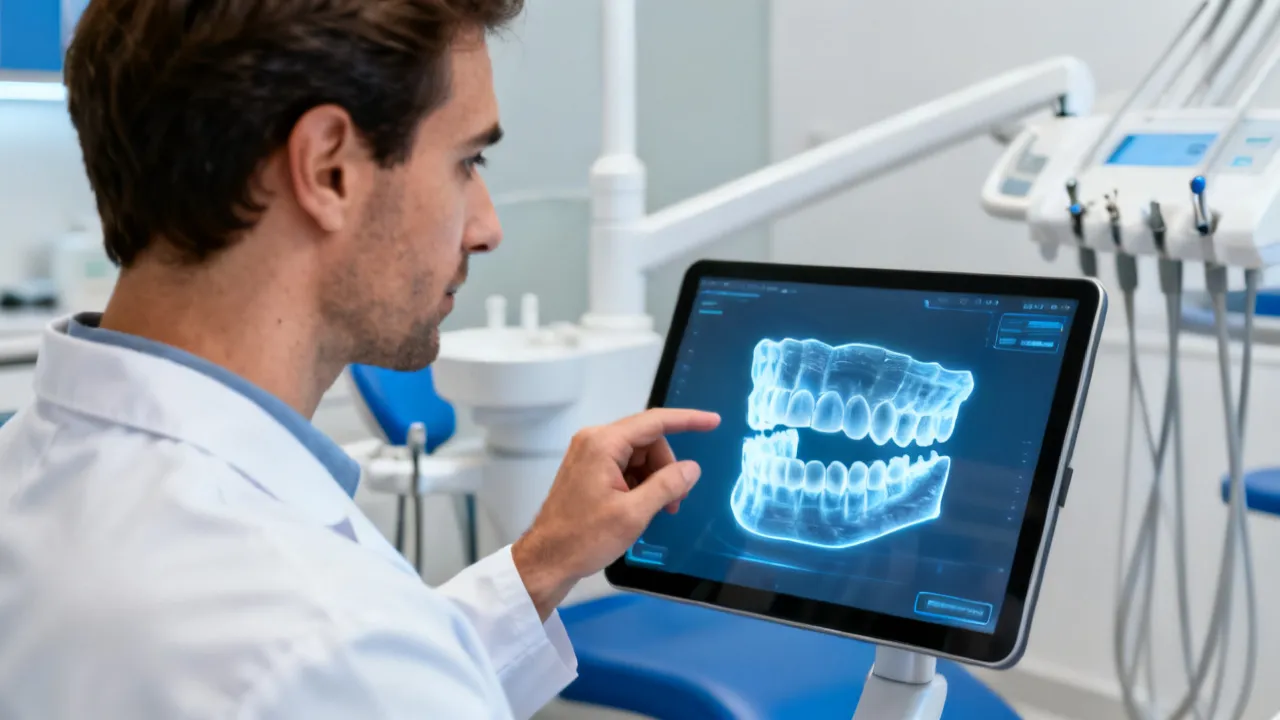
Digital Dentistry in Orthodontics is reshaping planning and outcomes through 3D imaging, guided workflows, and precise appliance design. This guide explains how orthodontic care can integrate with implant planning, and how patients in English-, Spanish-, and Portuguese-speaking countries may manage low-cost dental implants through insurance, dental tourism options, and clinic comparisons.
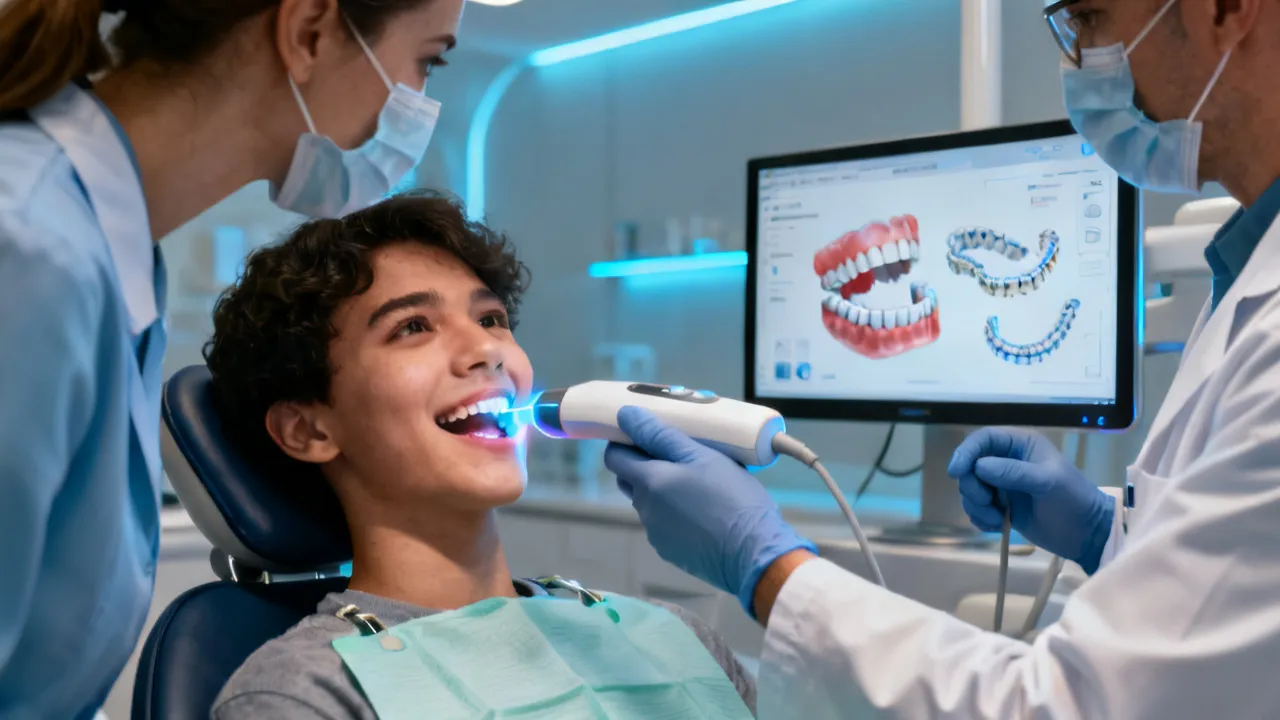
This guide explains how Digital Dentistry in Orthodontics supports diagnosis, treatment planning, and appliance design through 3D imaging and intraoral scanning. It then reviews how low-cost dental implant pathways intersect with orthodontic goals in different English-, Spanish-, and Portuguese-speaking regions. Background context covers what “digital” changes clinically, why accuracy matters, and how budgets are typically estimated.
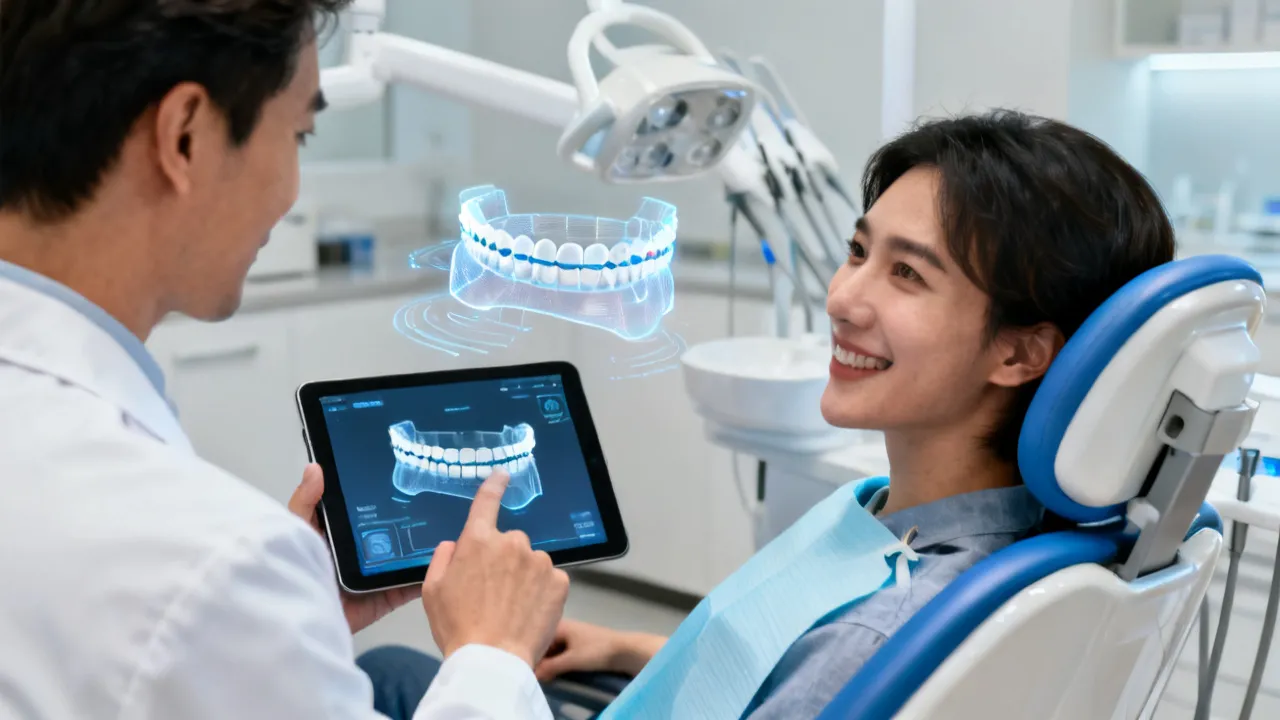
Digital Dentistry in Orthodontics is reshaping how clinicians plan and deliver braces, aligners, and implant-related care using 3D scanning, CAD/CAM design, and data-driven treatment pathways. This guide provides an objective overview of the technology, explains how low-cost implant options are researched in English-, Spanish-, and Portuguese-speaking markets, and summarizes typical cost ranges and practical steps.
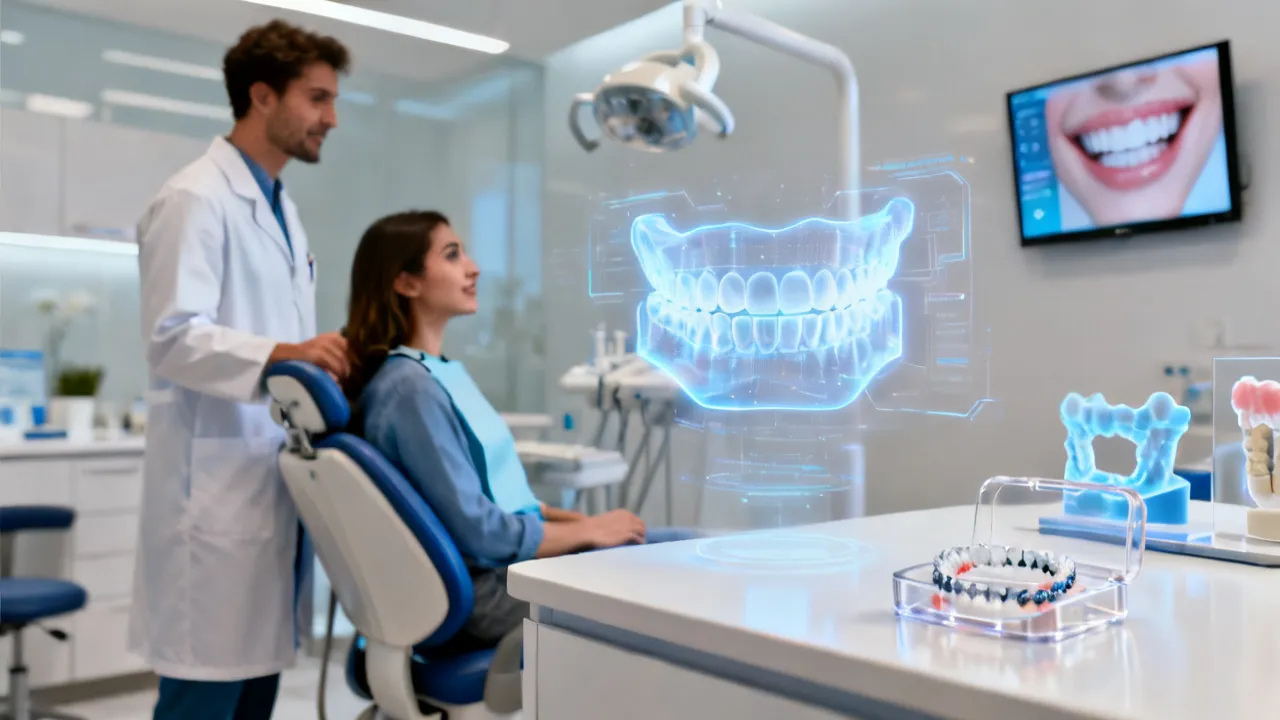
Digital Dentistry in Orthodontics is reshaping how clinicians plan, measure, and deliver orthodontic care with greater precision. This guide explains the core workflow—from intraoral scanning and 3D modeling to digital appliance design—while offering an expert view on benefits, risks, and practical cost considerations, including low-cost implant pathways and relevant regional price ranges.
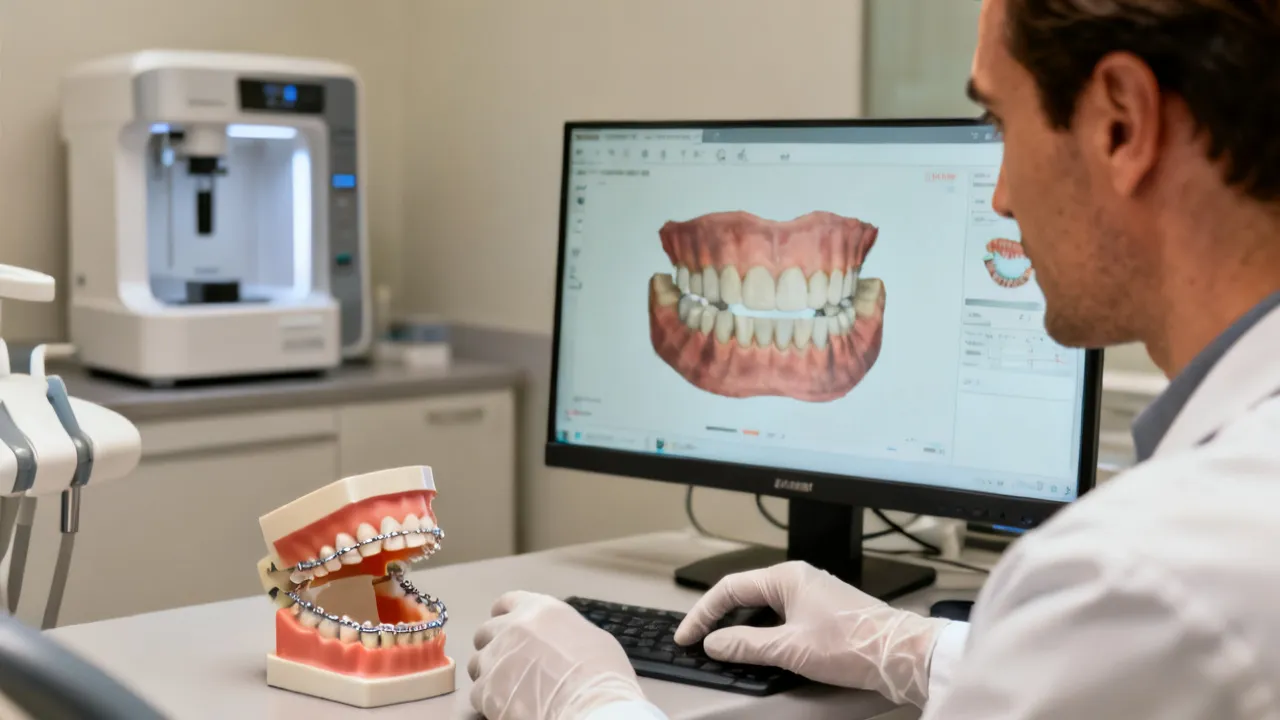
This guide explains Digital Dentistry in Orthodontics using objective, evidence-based concepts—from intraoral scanning to treatment planning and monitoring. It outlines how digital workflows support diagnosis, aligner/orthodontic design, and follow-up care, while also addressing practical cost considerations such as low-cost dental implants and dental tourism options. Background information is provided on why digital methods matter in modern orthodontics.